

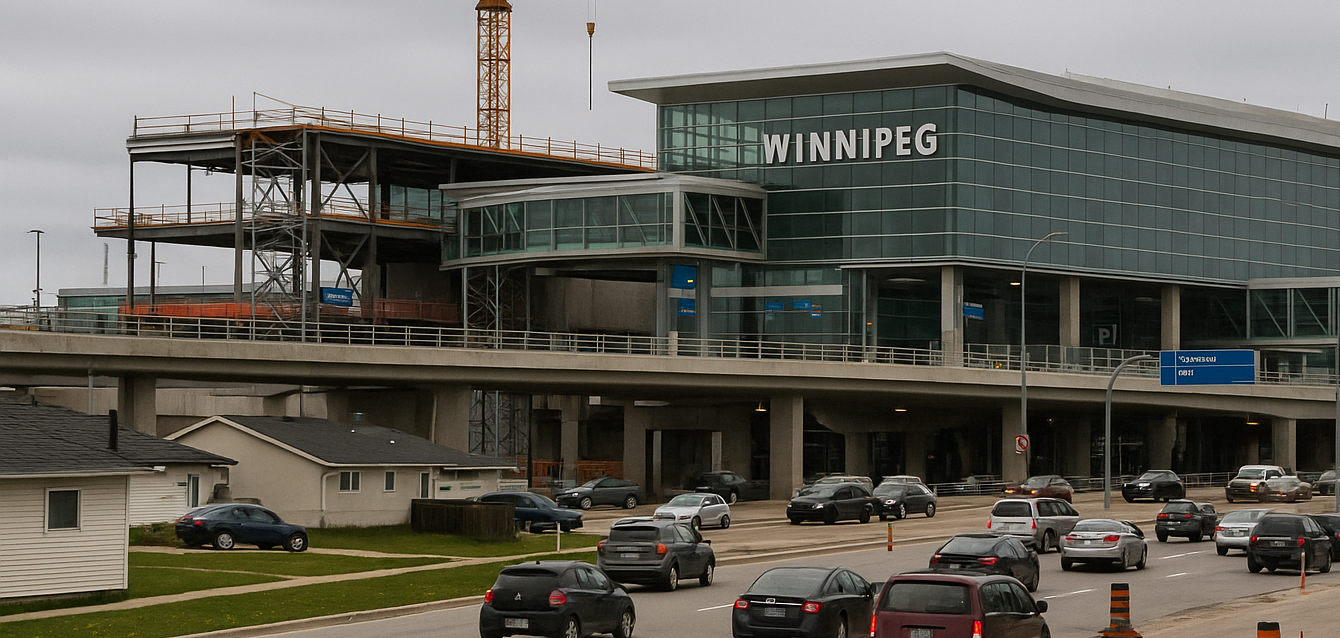
Winnipeg’s airport is getting a fresh investment push for expansion, and it’s the kind of local business story that quietly matters to homeowners. Airports are economic engines: they support jobs, attract new companies, and can change how people move around a region. In real estate, that often shows up later as stronger demand, shifting neighbourhood preferences, and a new conversation about affordability. If you’re watching your payments or thinking about a move, it’s a good moment to compare Best Mortgage Rates and understand how local growth can affect your timing.
At the same time, a separate RBC-commissioned survey in Manitoba and Saskatchewan points to something else shaping housing decisions: trust. A large majority of respondents said they treat unexpected messages as suspicious, which tells me many people are worried about fraud and misinformation. That concern doesn’t stop at banking emails. It spills into real estate ads, private lending pitches, and “too-good-to-be-true” rate offers. These two stories—growth at the airport and anxiety about scams—meet right in the middle of the mortgage market.
Infrastructure spending can ripple into home demand
When an airport expands, the first impacts are usually jobs and contracts. Construction work ramps up, and then ongoing operations often scale. More flights and cargo capacity can also pull in business travel and logistics companies. Over time, that can strengthen local employment, which is one of the most important supports for housing demand.
In Winnipeg, any meaningful uplift in job stability tends to firm up resale activity. People who feel secure at work are more likely to list, buy, or move up. That can tighten inventory in certain price bands, especially for family homes. You often see the most pressure in neighbourhoods with good schools and commutes that still make sense.
We don’t need to guess that the labour market matters. The Bank of Canada regularly points to employment and wage growth as key inputs to consumer spending and inflation. If you want the source data, the Bank’s rate decisions and economic context are laid out on its policy interest rate page. Even if you never read a full Monetary Policy Report, the direction is clear: strong local economies can keep prices and competition from cooling as fast as people expect.
For homeowners aged 30 to 55, the key question isn’t “Will my home price jump tomorrow?” It’s more practical: will demand hold up in my area over the next renewal cycle? Airport-driven growth is rarely instant, but it can support prices in a steady, stubborn way—especially if supply stays limited.
Rates still drive affordability more than headlines do
Airport investment is positive, but the mortgage payment still decides what buyers can afford. Over the past few years, Canada learned this the hard way: small rate changes can reshape the market faster than any single local project. Even today, many buyers are stretching for monthly payments, not purchase prices.
CREA’s national reporting has shown how sensitive sales are to financing conditions, with activity rising and falling as rate expectations shift. If you like to keep tabs on the numbers, CREA publishes monthly housing statistics on its housing market stats page. It’s one of the cleanest snapshots of sales momentum across the country.
In my day-to-day work, I’m seeing more households treat budgeting like a stress test. People want to know what happens if rates don’t fall as quickly as hoped, or if property taxes and insurance climb again. That’s a smart approach. It also means tools matter. Before you commit to a purchase or a refinance, it’s worth running scenarios with a Mortgage Calculator so you can see the payment difference between terms and down payment options.
One more thing: local growth can raise demand, but it can also raise costs. If expansion leads to more building and more population, you may see upward pressure on rents and entry-level home prices. That’s why homeowners planning renovations or debt consolidation should plan early, not after the market heats up.
Fraud fears are rising—so protect your mortgage decisions
The RBC-commissioned survey result—showing most people in Manitoba and Saskatchewan assume unexpected messages are scams—matches what I hear from clients. Many are wary of calls about “instant approvals,” texts offering rate drops, or social media ads pushing private money with no paperwork. Caution is healthy, but it can also create paralysis, where people avoid legitimate opportunities because they don’t know what’s real.
Mortgages are a prime target for fraud because the dollar amounts are big and timelines are tight. During renewals, people are busy, and scammers know it. They use pressure tactics: “sign today,” “your rate expires tonight,” or “we can do this without income verification.” In Canada, reputable lenders and brokers still verify identity, employment, and the property. If someone is trying to skip steps, that’s a red flag.
From a homeowner’s perspective, the safest approach is simple. Initiate contact yourself using official websites and phone numbers, not links in messages. Confirm license status when dealing with a broker or agent. And don’t send personal documents by email unless you’re sure the portal is secure and the recipient is verified.
This matters even more if you’re considering tapping equity. A home equity line can be useful, but it’s also an area where aggressive marketing and misinformation can pop up. If you’re weighing options for renovations, tuition, or emergency funds, read up on a HELOC and make sure you understand the rate structure and repayment expectations before signing anything.
Fraud anxiety also affects behaviour in the housing market. When people don’t trust what they’re seeing online, they delay decisions. That can soften sales volume temporarily, even if underlying demand is there. Over time, though, trustworthy professionals win. Clear documentation, transparent fees, and realistic timelines are what keep deals together.
What Winnipeg homeowners should watch next
If Winnipeg’s airport expansion moves from planning to shovels in the ground, pay attention to which areas benefit. Improved access routes, commercial development, and new employment nodes can change micro-markets. Some neighbourhoods may see stronger resale demand, while others simply see more traffic and noise. Real estate is hyper-local that way.
Also watch supply. CMHC has been clear that Canada needs more housing to restore affordability, and it tracks construction and starts across the country. You can explore those trends through CMHC’s housing starts and completions data. If Winnipeg adds supply faster than demand, price pressure eases. If supply lags while jobs rise, competition tends to build.
Finally, keep your renewal strategy practical. If you’re within 6–9 months of renewal, it’s worth getting a plan in place now. Some households value payment stability; others want flexibility. In the current environment, I’m seeing more people split their decision between predictability and potential savings. A Fixed Rate option can protect cash flow if you don’t want surprises, while shorter terms can reduce the risk of being locked in too long if the rate environment shifts.
None of this is about trying to “beat” the market. It’s about matching your mortgage to your life: kids, commuting, job changes, and the reality of higher household costs. Local growth stories like airport expansion are helpful context, but your budget is still the anchor.
Winnipeg’s expansion news is a reminder that housing markets don’t move on rates alone. Jobs, infrastructure, and confidence all play a role—and so does trust in the information you’re acting on. If you’re buying, refinancing, or renewing this year, Unrate can help you sort through the options, verify what’s real, and choose a mortgage strategy that fits your monthly cash flow.
Leave a Reply