

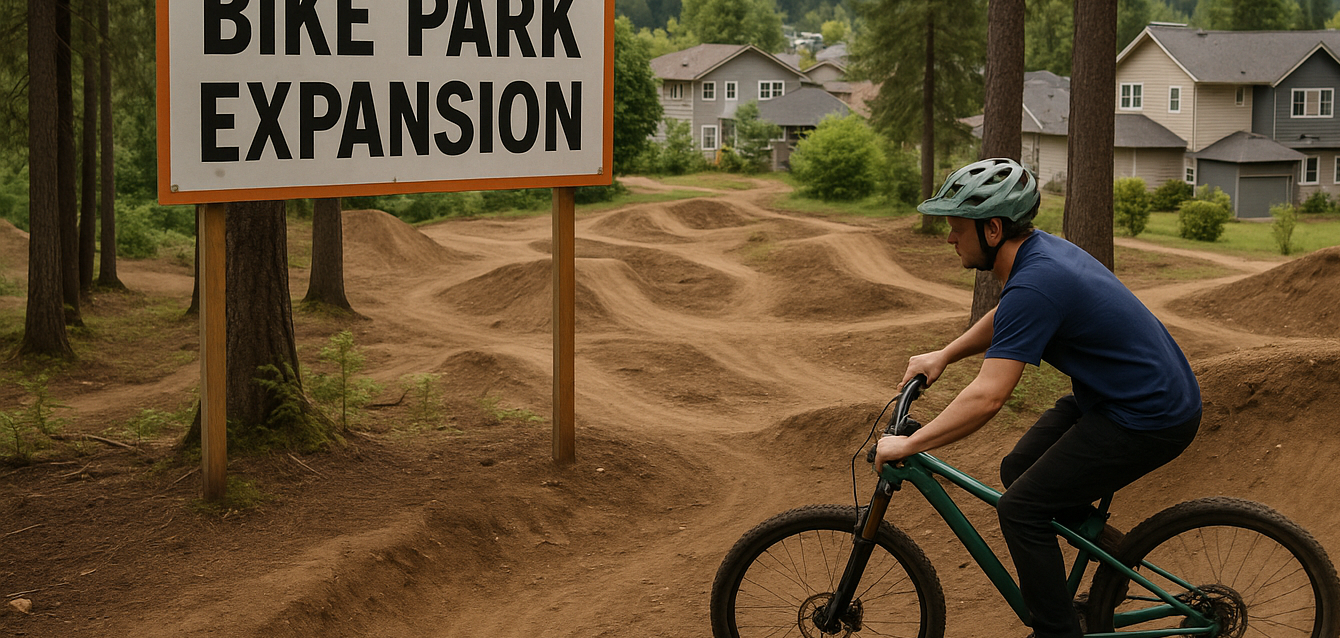
A $280,000 boost for the Owlhead Mountain Bike Park in the Shuswap might sound like pure recreation news. But projects like this often ripple into housing demand, resale values, and the way lenders look at smaller markets. For homeowners watching their equity—and for buyers wondering where the next “hot” pocket could be—local infrastructure and tourism spending can matter almost as much as the Bank of Canada’s next move. If you’re tracking financing options, it’s also a good time to keep an eye on Best Mortgage Rates as regional stories like this can change market mood faster than you’d expect.
Tourism spending can turn into housing demand
When a region expands an attraction, it’s not just about weekend visitors. A better bike park can lengthen the tourism season, increase overnight stays, and support small businesses that hire year-round. In a place like the Shuswap—where lifestyle is already part of the value proposition—more amenities can tip “maybe someday” buyers into “let’s do it now.”
From a mortgage broker’s perspective, this is where the conversation shifts from rates to confidence. Buyers who can work remotely or run a small business often choose communities with a strong recreation scene. The Owlhead expansion is a signal that local government believes in that growth story, and that kind of vote of confidence can show up in real estate listings within a couple of seasons.
It’s not hard to see the mechanism. More visitors can mean more short-term rental interest, more renovation spending, and more demand for entry-level homes from workers moving in. None of this guarantees price jumps, but it can tighten inventory in smaller markets, especially if new construction doesn’t keep pace.
What the broader housing data says right now
Zooming out, Canada’s housing market is still being shaped by borrowing costs. The Bank of Canada policy rate remains the anchor for variable mortgage pricing, and it continues to influence buyer psychology even in rural and resort markets.
Meanwhile, national sales have been choppy. The Canadian Real Estate Association tracks monthly changes in home sales and prices across the country, and their latest reporting shows how sensitive activity has been to rate expectations and affordability constraints. If you like to follow the numbers, CREA’s market updates are a useful barometer for momentum and sentiment.
On the supply side, CMHC has been clear that Canada needs more homes over the next decade to restore affordability. That’s a big-picture issue, but it affects places like the Shuswap too. If demand grows because the region becomes more desirable, and housing supply doesn’t expand fast enough, prices tend to firm up—even if the national market is flat.
For homeowners aged 30 to 55, this matters because you’re often in the “move-up” phase. You might be thinking about upgrading, buying a cabin, or moving from a city to a lifestyle community. When amenities improve in a smaller market, it can change the math on what’s worth buying and how fast you need to act.
Mortgage choices in lifestyle markets: keep it practical
Recreation-driven markets come with a few mortgage quirks. Appraisals can be more conservative, especially for unique properties, waterfront homes, or places with limited comparable sales. Lenders can also be stricter on condition, zoning, and year-round access.
If you’re buying in a region that’s evolving, get clear on your risk tolerance. Some borrowers want stability and predictable payments, even if rates fall later. Others accept more movement in exchange for potential savings. If you’re weighing options, it helps to compare a Fixed Rate against a variable in the context of your actual timeline—how long you expect to own the property and whether a move is possible within a few years.
Existing homeowners are also part of this story. When a community adds an amenity that could improve long-term desirability, many owners consider renovating instead of moving. That can be smart, but only if the financing matches the project and the local resale ceiling. If you’re thinking about a bigger update—suite conversions, structural work, or expanding square footage—a Construction Mortgage may be a better fit than trying to stretch a standard approval.
One caution I share often: don’t assume “tourism growth” automatically means easy resale. Lenders and buyers still care about fundamentals—employment diversity, school access, healthcare, and reliable services. The bike park expansion is positive, but it works best as part of a broader picture, not the whole investment thesis.
How this could affect local home values in the Shuswap
In my experience, the first price impact from projects like this isn’t always obvious. It tends to show up as faster selling times for well-located homes and stronger competition for properties that fit the lifestyle narrative—close to trails, lakes, and walkable services.
The second effect is more subtle: equity perception. Homeowners who feel their area is “on the upswing” are more likely to invest in their properties. That can lift neighbourhood quality over time, which then supports pricing. It’s a reinforcing loop, but it can take a couple of years to become visible in sale data.
There’s also a spillover angle for buyers priced out of bigger centres. When affordability is tight in major cities, people start looking for value in smaller communities that still offer a high quality of life. If rates eventually ease and buyer demand returns, regions with improving amenities can benefit disproportionately.
If you’re already in the Shuswap and wondering what to do with your mortgage, this is a good moment to review your options. Some homeowners use available equity for upgrades, debt consolidation, or to fund a down payment on a second property. A structured Refinance can make sense, but only if the interest cost and term penalties are clearly understood.
And if you’re considering buying now, the key is to avoid “headline decisions.” Recreation investments are encouraging, but the mortgage has to work even if the market cools. Stress-test your payment, factor in property taxes and insurance, and be realistic about maintenance—especially in rural and lake-adjacent areas.
Conclusion: small projects can have big housing signals
The $280,000 expansion funding for Owlhead Mountain Bike Park is more than a feel-good local story. It’s a sign of confidence in the Shuswap’s tourism and lifestyle economy, and those signals can feed into buyer demand and home values over time. In a market still shaped by higher borrowing costs and supply constraints, neighbourhood-level improvements can make certain communities stand out.
If you’re thinking about buying, renovating, or restructuring your mortgage, it helps to talk through the numbers with someone who watches both rates and local market drivers. If you want a second opinion on what this kind of regional growth could mean for your next move, reach out to Unrate.ca and we’ll map out a mortgage strategy that fits your timeline.
Leave a Reply