

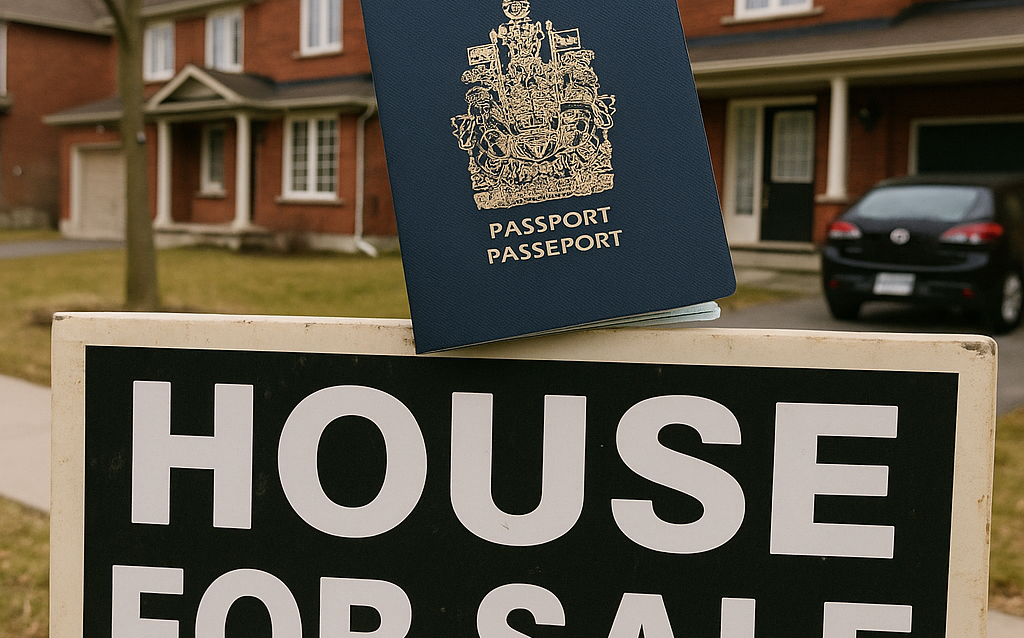
Canadian passport fees are set to rise on March 31, and a new service promise starts April 1: if the federal government doesn’t deliver within 30 business days, the passport becomes free. On the surface, this sounds like simple travel news. But for homeowners, it’s also a small, useful reminder of where household budgets are heading—and how Canadians are making spending choices in a high-rate housing market.
If you’ve been tracking affordability, you already know the theme of the past two years: higher payments, tighter cash flow, and more careful planning. A fee increase might not change your mortgage, but it lands in the same month many people renew, refinance, or rethink their next move. And yes, there’s a housing angle here—especially for families deciding whether to travel, renovate, move, or stay put.
I’ll connect the dots between this passport change and what I’m seeing in the mortgage space right now. If you’re rate shopping or planning a renewal, start with Best Mortgage Rates and treat every “small” cost increase as a nudge to re-check your overall plan.
Why a passport fee increase matters to homeowners
Most homeowners I speak with aren’t worried about a single fee. They’re worried about the pile-up of costs. Groceries, insurance, utilities, property taxes, kids’ activities, and car payments all compete with the mortgage. Add one more rising expense, and it pushes some families from “comfortable” to “tight.”
This is exactly why the new 30-business-day guarantee is interesting. It’s not just customer service. It’s a real value promise: meet the deadline or the cost disappears. In mortgage terms, Canadians love certainty. We chase predictable timelines and predictable payments. When people don’t have that, they start building in buffers—extra savings, longer closing timelines, and more conservative budgets.
That budgeting mindset matters in housing because it changes behaviour. When households feel squeezed, they delay upgrades, avoid moving, and lean into “make this home work.” That tends to reduce resale supply over time. Less supply, even with softer demand, can keep prices from falling as much as people expect.
CMHC has been pointing to affordability pressures for a while, including how higher interest rates have changed who can qualify and what they can buy. You can see their recent housing research and outlook materials on the CMHC website. I don’t bring this up to be dramatic—just practical. When Canadians feel the pinch, housing decisions get more cautious and more local.
Rates are still the main story—and the BoC keeps the tone cautious
Let’s be honest: passport fees aren’t what’s driving mortgage stress. The overnight rate is. Since 2022, the Bank of Canada lifted rates aggressively to cool inflation. Even after the pace slowed, the damage to affordability was already done for many borrowers.
When I’m working with homeowners between 30 and 55, the biggest shift I hear is psychological. People who used to ignore rate changes now watch them closely. They know renewal time could mean a meaningful payment jump, even if their income is stable.
The most useful place to anchor your expectations is the Bank of Canada’s policy rate page and statements. The BoC lays out its reasoning and the risks it’s watching, including inflation and economic slack. Here’s the official data source: Bank of Canada key interest rate.
So how does that connect to this passport story? Both are about service promises and household timing. A 30-business-day guarantee encourages people to plan travel with more confidence. Mortgage planning works the same way. If you’re six to nine months from renewal, certainty is worth real money. Waiting too long can limit options, especially if income, credit, or property value has changed.
One trend I’m seeing is borrowers splitting their risk: part fixed, part variable, or choosing shorter fixed terms to avoid locking in too long at today’s levels. That decision depends on your budget tolerance and timeline, not just headlines. If you want a clear explanation of how payments can swing, this overview on Variable Rate mortgages is a good starting point.
Housing market activity: steady in some cities, surprisingly resilient in others
Despite affordability issues, the resale market hasn’t simply “stopped.” It has rotated. Some neighbourhoods are quiet; others still see multiple offers when a home is well priced and well presented. Families still need space. Divorces still happen. Job changes still happen. Life keeps pushing people into transactions.
CREA’s national data has shown that sales and prices can firm up quickly when rates stabilize, even if they remain elevated. The monthly numbers are worth a look because they highlight how fast sentiment can change when buyers sense the worst is over. You can review the latest statistics at CREA housing market stats.
From a mortgage broker’s chair, the key point is this: a “slow market” doesn’t always mean “cheap market.” It often means “pickier market.” Homes that need work or have layout issues can sit longer. Turnkey homes in family areas can still move quickly, especially when inventory is thin.
And that loops back to household cash flow. When people watch every expense—right down to passport applications—they’re less likely to take on a big reno. They might choose smaller upgrades or delay projects. That can reduce the number of renovated listings hitting the market, which again supports the value of move-in-ready homes.
If you’re staying put and considering ways to fund improvements, it’s worth understanding how borrowing options differ. A read on HELOC financing can help you compare flexibility versus cost. The right answer depends on whether you need ongoing access to funds or a one-time lump sum.
A practical homeowner takeaway: use “fee season” to stress-test your mortgage plan
March and April often bring a cluster of financial to-dos: tax receipts, spring travel planning, kids’ summer camp deposits, and now higher passport fees. For homeowners, it’s a great time to do a quick stress test.
Ask yourself three simple questions. First: if my mortgage payment rose by $300 to $600 at renewal, could we absorb it without new debt? Second: do we have a cash buffer for surprises, or are we relying on credit? Third: if we needed to sell within 60 days, is our home “market ready” without major spending?
If the answers make you uneasy, that’s not a failure. It’s a signal. Many borrowers are using this period to reduce uncertainty by adjusting amortization, consolidating higher-interest debt, or reorganizing cash flow. Sometimes the best move is a structured refinance that creates breathing room and replaces unpredictable interest costs with something more manageable. If that’s on your radar, this guide to Refinance options lays out the basics in plain language.
And if you’re thinking, “I’ll wait until renewal,” remember the timeline difference: the passport guarantee is 30 business days. Mortgage strategy can take longer. Appraisals, income documents, title work, and lender conditions all add time—especially if you’re self-employed or have multiple properties.
One more perspective: a government guarantee is, in its own way, a bet on operational capacity. In lending, the closest parallel is choosing a product that matches your real life. If you value predictability, a fixed payment path can help. If you value flexibility, you may accept more payment movement. Either way, it’s better to decide calmly than under deadline pressure.
Conclusion: Small headlines often reveal big budgeting shifts
The passport fee increase is a minor expense in the grand scheme, but it lands at a moment when Canadian homeowners are watching every line item. The new 30-business-day service promise is also a reminder that certainty has value—and that timelines matter.
In housing, rates still drive affordability, but consumer behaviour drives momentum. When households get cautious, listings tighten, renovations slow, and buyers become selective rather than absent. That mix can keep prices more stable than many expect, even when sales volumes cool.
If you’re approaching renewal, considering a move, or trying to make your current home work, Unrate.ca can help you map out options and compare lenders with your full budget in mind. A quick conversation now can prevent a rushed decision later.
Leave a Reply