

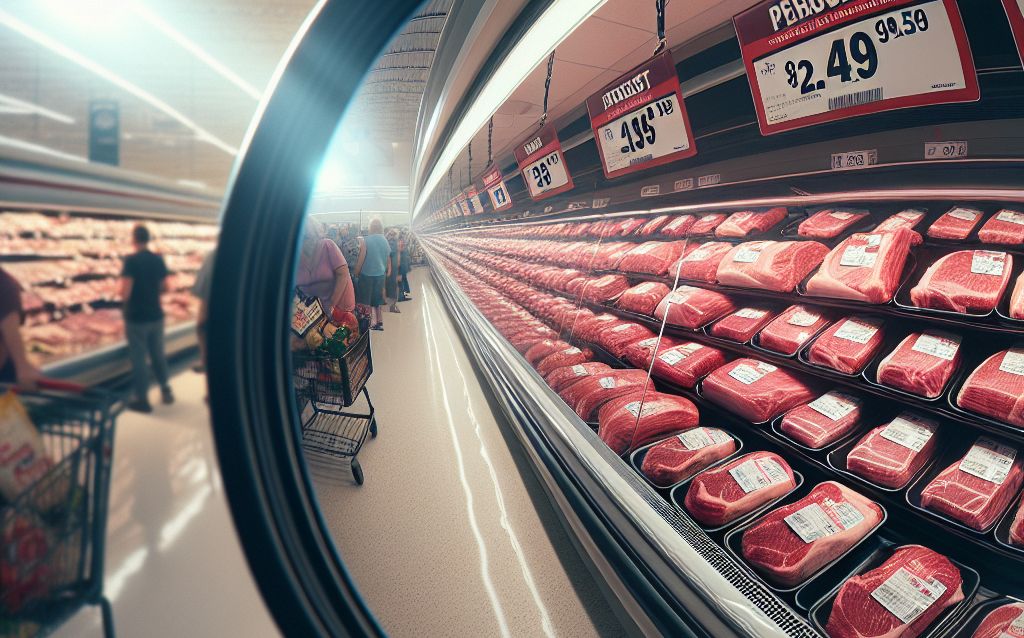
Canada’s grocery bills are still climbing, and a surprising player is influencing the pressure: federal policy on beef imports. Ottawa’s decision to keep tight controls on foreign beef isn’t just affecting your burger night — it’s echoing across household budgets, including what Canadians can afford in housing. Here’s why that matters to you if you’re navigating mortgage decisions or house hunting in 2024.
The Connection Between Steak and Shelter
At first glance, beef imports and real estate may seem unrelated. But as any homeowner knows, life costs don’t happen in silos. When essential goods like meat stay expensive, households have less room for other spending — including their mortgage.
In Canada, a relatively small group of companies dominates meat processing. Combine that with federal import quotas that restrict lower-cost beef from entering the market, and you have the perfect storm for elevated grocery prices. According to Statistics Canada, food costs rose another 5.9% year-over-year in March, and beef is a top driver of that increase.
When everyday essentials become disproportionately expensive, it’s not just harder to afford dining out — it makes budgeting for your mortgage or home upgrade more complicated. We’re already in a time when housing costs are high, interest rates are elevated, and many homeowners are nearing the end of ultra-low fixed-rate terms. Add inflated grocery bills, and suddenly financial flexibility disappears.
Inflation Influences Interest Rate Decisions
Economists and policy makers are watching the Consumer Price Index (CPI) like hawks. If food prices — including beef — remain stubbornly high, it complicates the Bank of Canada’s ability to cut rates. While some are hopeful for rate relief in late 2024, the Bank made it clear that inflation must cool significantly before that happens.
As of April, Canada’s inflation rate sat at 2.9%, a marked improvement from 6.8% a year ago, but still hovering above the BoC’s 2% target. Food is one of the last remaining sticky categories. If beef and other staples don’t ease, the central bank may hold off on interest rate cuts, keeping the cost of borrowing for mortgages elevated longer than expected.
This is tough news for anyone renewing their mortgage in 2024. Many Canadians who locked in ultra-low fixed rates in 2019 or 2020 are now looking at rates double — sometimes triple — their original terms. If you’re unsure what options are available, this is an ideal time to explore refinancing your mortgage or switching lenders to cushion the rate shock.
Fixed vs. Variable: The Case for Strategy
With grocery-driven inflation slowing rate cuts, it raises a strategic question: Should you go fixed or variable when choosing your next mortgage term?
Variable rate mortgages tend to be cheaper over time, but only if rates fall. With inflation fuelled by food prices showing resilience, some borrowers now find fixed rates more predictable — even if slightly higher. If you’re facing a mortgage renewal soon, it’s worth comparing fixed rate mortgage options alongside variable ones, based on when you think the BoC might cut rates.
There’s no one-size-fits-all answer. The smart move is to run the numbers and understand how much rate volatility you can afford. Our mortgage calculator can help you visualize different payment scenarios—and how grocery costs affect your monthly bandwidth.
Household Debt and Beef at $12 a Pound
Late last year, the average Canadian household spent over $1,000 monthly on groceries, with meat still holding a top share. When those costs remain high, families often resort to credit to bridge the gap. The problem? Many are running out of room.
Canada has one of the highest household debt-to-income ratios in the world. According to the CMHC, as of Q1 2024, the debt-to-income ratio stands at 180% — meaning for every $1,000 in income, the average household owes $1,800. Every extra dollar spent on inflated meat prices chips away at what’s left for savings, mortgage payments, or home maintenance.
It’s also causing some families to rethink housing goals. Rising fixed costs make it harder for first-time buyers to qualify — or for current homeowners to upgrade. If you find yourself stuck between staying put or purchasing a second property, consider the benefits of a second home mortgage as an alternative strategy.
How Policy Shifts Affect Consumer Priorities
Ottawa’s decision to limit beef imports benefits domestic producers, but it puts consumers under more strain, especially those juggling homeownership and cost-of-living inflation. While the federal government often talks about affordability, maintaining quotas that protect industry at the expense of families seems counterintuitive.
This contrast in priorities is leading more Canadians to question where their government’s loyalties lie — and deepening the disconnect between policy and everyday reality. As someone balancing a mortgage, a grocery cart, and maybe kids in soccer, you’re likely feeling the pinch from all sides. Instead of cutting back on housing dreams, many are now exploring options like reverse mortgages to stay in place longer as retirement approaches, or to manage intergenerational support.
Conclusion: Managing Homeownership in a High-Cost World
It may seem odd to connect beef prices with your mortgage strategy, but in today’s economy, every piece of the puzzle matters. Groceries aren’t optional, and when their costs swing upward due to protectionist policy, the fallout hits housing — hard. Inflation’s persistence forces rate policy delays, weakens buyer confidence, and squeezes household cashflow.
At Unrate, we’re tuned into how broader economic forces shape your mortgage decision-making. Whether you’re planning to refinance, buy, downsize, or consolidate, we’re here to help you navigate it with clarity. Start by exploring the best mortgage rates in Canada today — because staying informed is the first step to making smart financial moves.
Leave a Reply