

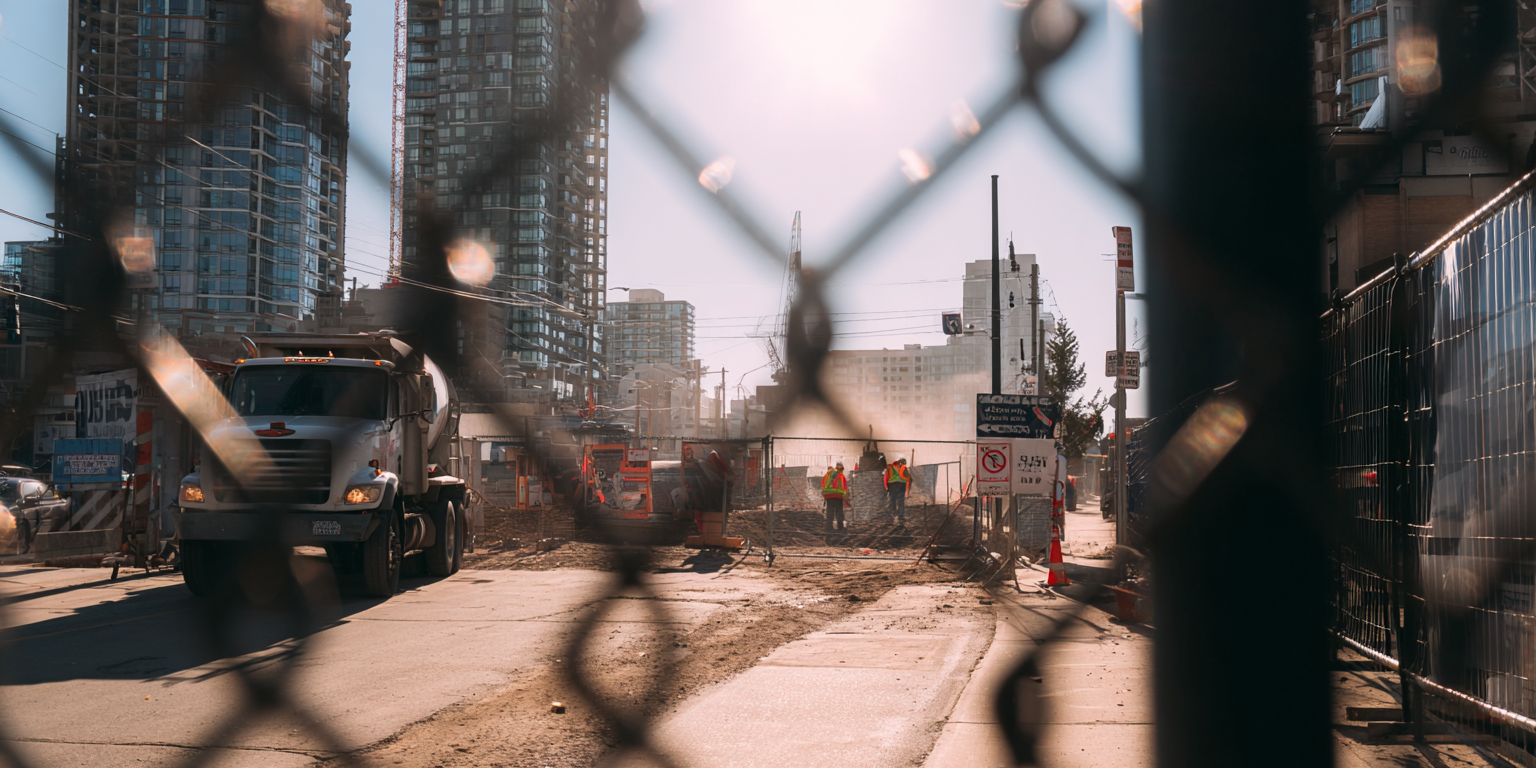
A bold new development has been proposed in Kitchener: nine towers and 2,600 residential units. While that may not hit the scale of a Toronto skyscraper boom, it’s a major move for this fast-growing city in southwestern Ontario. But what does a project this large signal for homeowners across Canada—and how could it impact mortgages, home prices, and real estate trends?
As mortgage brokers, we always look beyond the construction dust to evaluate how these developments reshape housing markets. Let’s break down what this massive project means, and why homeowners and buyers should be paying close attention.
Surging Supply Could Ease Pressure—Eventually
Canada’s housing crisis has many layers, but one critical issue is supply. According to the CMHC, the country needs to build 5.8 million new homes by 2030 to restore affordability. Projects like the Kitchener development—which proposes nine towers with a mix of condos and rentals—aim to tackle that.
It’s important to note outcomes like these take time. Even if fast-tracked, permitting, zoning, and construction will span several years. That means the immediate impact on listings and local affordability will be minimal. But when it’s finally complete, thousands of new units could help ease the intense demand that’s been pushing up prices across Waterloo Region.
From a financing lens, more inventory typically helps moderate price growth—so future buyers might have a slightly better shot at entering the market without competing with dozens of offers. That could create a brief moment of opportunity, especially for those who are pre-approved and watching best mortgage rates.
Strategic Densification in Mid-Sized Cities
Kitchener isn’t just any town—it’s a growing innovation hub with a population nearing 300,000 and strong ties to tech employers in the region. As major cities become increasingly unaffordable for middle-income earners, many Canadians are moving to mid-sized urban centres where home prices are still (somewhat) within reach.
This proposed development reflects a growing trend: densification in communities that balance job growth, transit infrastructure, and livability. Homeowners who’ve relocated to areas like Kitchener may see their property values benefit from large-scale investments in the local economy. However, this also means potential shifts in demographics, school zoning, and traffic flow—all factors that merit consideration if you’re planning to refinance or buy investment property nearby.
For those building or renovating in such fast-changing markets, a construction mortgage might offer the flexibility needed to keep pace with the neighbourhood’s evolving value.
Interest Rates and the Timing of High-Rise Projects
It’s no secret that rising interest rates have cooled Canada’s housing market since early 2022. The Bank of Canada raised its key rate to 5% in mid-2023. That tightening cycle curbed some of the explosive demand we saw during the pandemic, especially in regional markets like Kitchener-Waterloo where prices had surged rapidly.
The timing of this development proposal is interesting. Developers typically announce high-rise plans during confidence cycles, betting on long-term growth despite short-term rate turbulence. It suggests optimism that rates may normalize in the next few years, possibly opening the door to renewed demand by the time initial units hit the market.
For homeowners, this underscores why locking in your mortgage strategy now is key. While inflation appears to be tapering, many analysts expect interest rates to remain elevated into 2025. Whether considering a fixed rate or variable rate mortgage, the right decision depends on your timeframe and financial goals—not market noise.
Could This Boost Your Equity?
If you own property in or around Kitchener, this proposal may be cause for optimism. New residential infrastructure often boosts nearby home values over time, especially when supported by transit access and retail amenities. Even if you have no plans to sell, a higher valuation can unlock opportunities through options like a HELOC or by refinancing your mortgage to access equity at competitive rates.
We’ve already seen this play out in areas like Mississauga’s city centre and parts of Ottawa where major projects spurred local appreciation. But it’s not a one-size-fits-all equation. Flooding the market with condos can cap price growth temporarily, and oversupply risk is real if demand doesn’t keep up. That’s why having a localized understanding—and a flexible mortgage—is critical for protecting your investment.
Not sure which strategy suits your situation? Our mortgage calculator can help you run quick scenarios across rate types, repayment terms, and amortization periods.
Final Thoughts
Massive projects like the one announced in Kitchener don’t just change skylines—they reshape regional housing dynamics for years to come. Whether you’re a homeowner weighing equity decisions or a hopeful buyer tracking affordability, understanding these moves helps you stay ahead of the curve.
Every property is unique, and every mortgage should be too. If you’re looking for clarity in this ever-shifting landscape, reach out to us at Unrate. We’re here to help you make sense of your options—and seize the right opportunity, at the right time.
Leave a Reply