

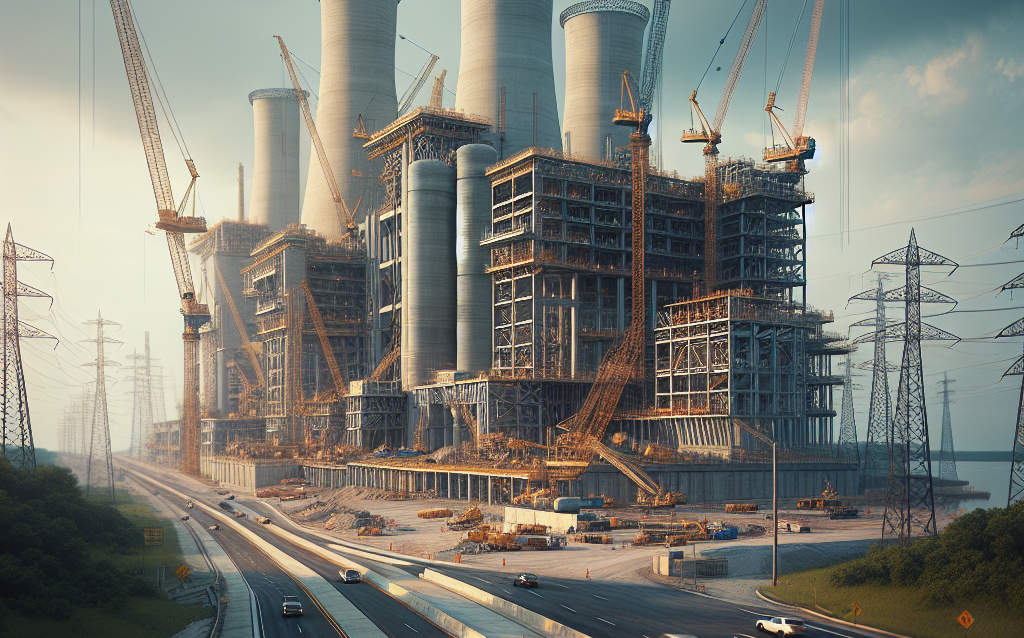
Massive infrastructure projects around the world are making headlines—unfortunately, not for the right reasons. Several major energy developments have blown past their budgets and deadlines, causing concern around what this means for global capital spending. While these billion-dollar power and transit megaprojects may seem far removed from your average Canadian homeowner, they actually reflect a broader theme we need to talk about: inflated planning, underestimated costs, and the ripple effect on housing and mortgage affordability right here at home.
The takeaway from these megaproject mishaps isn’t just about global infrastructure—it’s about how inefficiencies at the institutional level are also burdening everyday Canadians trying to buy or maintain a home. As someone helping Canadians navigate mortgage decisions daily, I see firsthand how government overspending and economic mismanagement trickle down. Whether it’s on hydro bills, inflation, or interest rates, it all ends up at your doorstep—literally.
The Rising Cost of Building = Pressure on Housing Supply
When energy megaprojects go over budget—as many recently have—construction materials, skilled labour, and transportation costs skyrocket. This doesn’t just affect big power plants. It also impacts how expensive it is to build new homes, especially when local construction projects are competing for the same materials and crews.
The cost of construction materials in Canada has remained significantly elevated since 2021 due to global supply chain disruptions and energy price volatility. Developers are either putting projects on hold or passing costs down to homebuyers.
That’s bad news in a country like Canada where housing supply remains critically low in many urban centres. According to CMHC, we need to add 5.8 million new homes by 2030 just to restore affordability. But if essential infrastructure like energy grids and transit corridors overshoot budget expectations, governments and private developers may pull back on housing investments, worsening supply constraints.
Public Spending and Inflation: A Hidden Cost for Homeowners
When governments pour billions into energy and infrastructure and those projects spiral out of control, guess who ultimately foots the bill? Taxpayers. That fuels national deficits and inflation, leading the Bank of Canada to raise interest rates in response.
Many of us felt that pinch over the past year as mortgage costs surged. Fixed and variable mortgage rates climbed to their highest levels in over a decade following the Bank’s aggressive rate hikes throughout 2022 and 2023. The average monthly mortgage payment in Canada rose nearly 24%, according to CREA.
Homeowners renewing in the current environment are facing sticker shock. In this climate, it helps to compare best mortgage rates from multiple lenders instead of renewing with your existing provider without question. It might even be a good time to explore flexible strategies like a HELOC to manage cash flow or consolidate higher-interest debt.
Why Political Oversight Matters for Your Mortgage
Canadians often feel powerless watching megaprojects implode from a distance, but awareness matters. When large-scale developments exceed costs, it reflects a broader failure in forecasting, transparency, and financial stewardship—qualities we should demand from both public institutions and lenders.
For example, Ontario’s Darlington Nuclear Refurbishment and British Columbia’s Site C dam are two long-standing reminders of how political timelines and cost underestimates can derail projects for years. These are lessons we don’t want repeated in housing initiatives or affordable housing programs. Governments promising fast-track builds must ensure estimates are realistic or risk worsening the affordability crisis.
As a homeowner, it’s worth considering how shifts in policy and fiscal planning affect your long-term housing costs. It also underscores the value of locking in stable fixed rate mortgages before further market volatility, especially with inflation still a concern.
Learning from the Megaproject Mess
The mismanagement of global megaprojects is a cautionary tale. It shows what happens when optimism overshadows realism—a trap many homebuyers and even lenders can fall into. When it comes to buying in today’s volatile market, a sober, well-informed approach always wins out.
This is a great time to revisit your long-term mortgage strategy. Are you on a rate that still makes sense in this economy? Do you have a backup plan if rates stay higher for longer? Working with an independent broker can help you navigate today’s complexities without falling into the traps that even the biggest companies and governments sometimes do.
Tools like Unrate’s mortgage calculator can help model different rate and term scenarios, whether you’re renewing, refinancing, or buying your next home. It’s not just about getting approved—it’s about staying comfortable with your payments over the long term.
Conclusion
Global megaproject failures may not seem like something that should matter to the average homeowner—but they do. They reflect deeper structural issues: cost overruns, inflation risk, and underestimation of long-term obligations. The same principles impact how homes are built, priced, and financed here in Canada.
Staying informed isn’t just smart—it’s essential. If you’re feeling uncertain about your mortgage or housing plans, connect with an Unrate broker. We’re here to help you make level-headed decisions in a market full of surprises—megaproject-sized or otherwise.
Explore your refinancing options or see what competitive rates you qualify for today.
Leave a Reply