

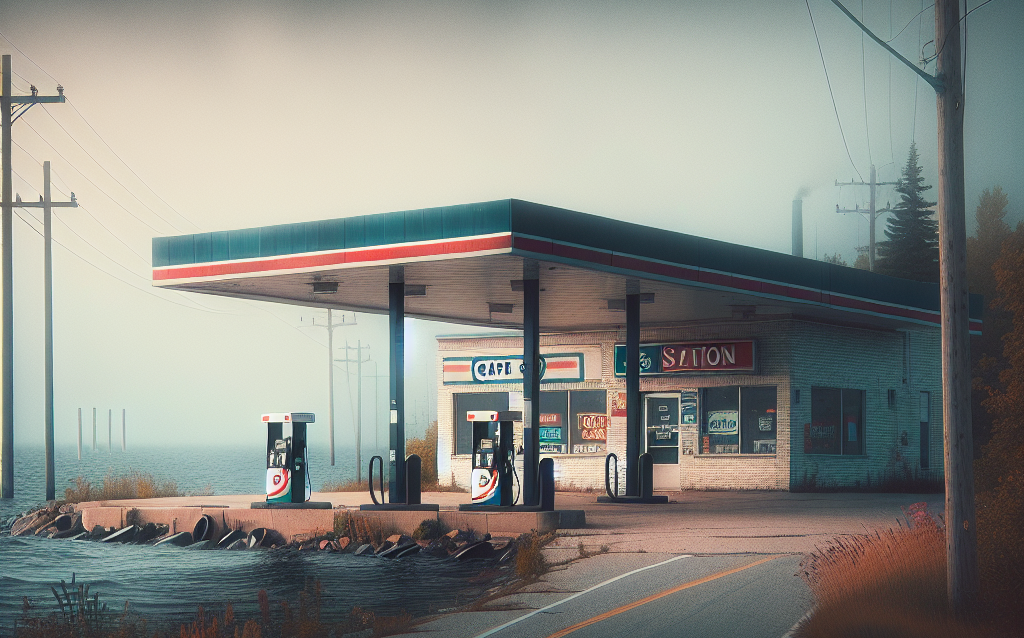
The quiet closure of a long-standing gas station on Lakeshore Road in Burlington might not seem like breaking real estate news at first glance. But zoom out a little, and it reveals something bigger about what’s happening in cities across Ontario. As commercial lots vanish and redevelopment plans emerge, homeowners—and future buyers—need to understand how these micro changes impact home prices, property values, and the broader housing economy.
From Petroleum to Property: Why This Shift Matters
When Sunoco officially cancelled its fuel licence and shut down operations at the Husky station on Dec. 10, it signalled the end of an era—but potentially the start of a more lucrative one. Prime lakeside real estate rarely sits idle, especially in a market like Burlington, where city planners are eager to transform underused lots into higher-density, mixed-use developments.
For homeowners, this shift is more than a change in scenery. Redevelopment of commercial land into residential or mixed-use space tends to push local home values up, especially when it introduces modern infrastructure, walkable amenities, and green space. If a new condo, boutique retail, or even a public-use community space arises at 710 Lakeshore, don’t be surprised to see nearby property valuations tick higher.
With a refinance, some homeowners could even leverage the increased equity this type of redevelopment brings.
Home Prices and Interest Rates: Why Timing Matters
This redevelopment comes at a pivotal moment in the Canadian housing cycle. Mortgage rates have fluctuated dramatically over the last 18 months, largely due to the Bank of Canada’s attempts to curb inflation. While fixed rates have eased from their 2023 highs, borrowing still isn’t cheap—and that’s putting downward pressure on home sales nationally.
According to the Canadian Real Estate Association (CREA), the national average home price was $685,809 as of March 2024, slightly down versus last year. But regions like the GTA and Hamilton-Burlington have shown more resilience. In fact, sales in Burlington recently saw a small month-over-month bump, likely due in part to renewed buyer interest in lifestyle neighbourhoods like the Lakeshore corridor.
Homeowners debating whether to sell or stay put should track local redevelopment plans closely. If that demolished gas station gives way to new condo builds, it could raise comps in the immediate area. This becomes a smart time to consider how your mortgage aligns with your timing and equity goals. Our best mortgage rates tool can show you what’s currently available in your region.
Housing Supply and Municipal Growth Strategies
Municipalities like Burlington are actively looking for ways to increase housing supply without expanding urban boundaries. That means more infill development and higher-density construction along existing transport and service lines. The Lakeshore Road location is a textbook example—close to transit, near existing infrastructure, and offering killer views.
Ontario’s housing plan calls for 1.5 million new homes by 2031. Places like Burlington will be expected to pony up their share of those units. That makes formerly commercial spots like this one incredibly valuable. Many end up rezoned for mid-rise residential use, something that can significantly alter the tone (and property values) of an entire neighbourhood over time.
For families thinking about upgrading or downsizing within the city, it pays to monitor zoning meetings and development proposals. These blueprints often act as an early forecast for where prices are headed next. If you’re considering building your next home, now may be the time to explore a construction mortgage as inventory shifts to newly-built supply.
Investor and Homeowner Sentiment: The Local Reaction
The idea of a former gas station turning into a sleek condo or mixed-use space doesn’t sit well with everyone. Long-time residents may be concerned over increased congestion or loss of neighbourhood character. Still, the majority of homeowners appear cautiously optimistic, especially after years of limited housing availability and rising property taxes.
Public sentiment plays a role in how projects like this move forward. New development can be good for community services and infrastructure, assuming it’s done thoughtfully. For homeowners, it also means higher walkability scores, updated city utilities, and sometimes a welcome boost in resale value.
If your mortgage is up for renewal, this could be the perfect time to review all your repayment options. As the area changes, your property gains value and so do your future borrowing opportunities.
Conclusion: What This Change Means for You
The fall of Burlington’s Lakeshore Husky station is just one small transformation in a broader housing evolution spanning Southern Ontario. As rare plots of land are repurposed into housing and commercial hybrids, the surrounding real estate market responds. Homeowners can see their equity rise, while new buyers might find fresh opportunities in emerging neighbourhoods.
If you live near this changing area—or are watching similar changes in your own city—understanding how these projects affect your mortgage strategy is critical. Whether it’s exploring a reverse mortgage or locking into a low-rate product before values shift further, Unrate is here to help you stay a step ahead.
Leave a Reply