

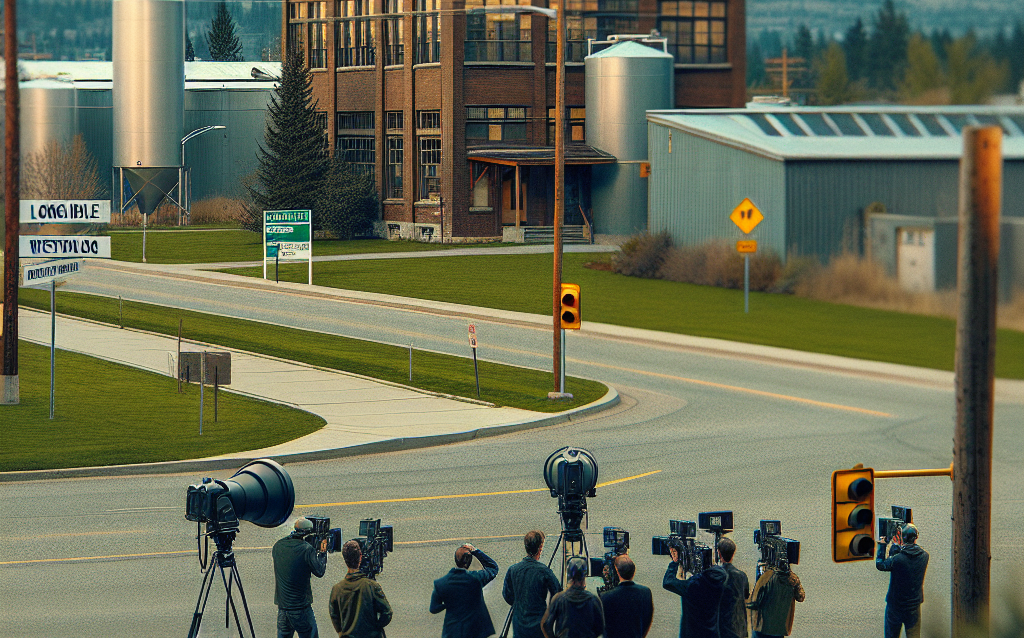
The sale of a long-idle industrial development in West Kelowna may sound like a niche business headline, but for savvy homeowners and real estate watchers, it’s a signal worth dissecting. The property—left untouched for years—is now changing hands, suggesting a shift in sentiment towards development and investment in non-residential real estate. Ironically, this sleepy corner of the Okanagan might be telling us more about Canada’s housing economy than we expect.
Industrial sales don’t usually make waves among mortgage holders, but in this case, they should. With the Bank of Canada cautiously walking the tightrope between inflation control and economic support, every signal counts. And West Kelowna’s latest property change may hint at a broader movement: developers getting back in the game after laying low for a while.
Economic Confidence is Creeping Back
When developers and investors start scooping up dormant properties, it typically reflects a rise in confidence. After all, buying industrial land requires long-term thinking. No one invests millions into stagnant land without betting on an economic rebound. So what does that mean for the average homeowner?
It could mean that inflation pressure is easing just enough. As of April 2024, Canada’s inflation rate dropped to 2.7% from over 8% in 2022, inching closer to the Bank of Canada’s sweet spot (source). That may give the BoC more room to ease interest rates—even if incrementally. That’s welcome news for homeowners renewing mortgages this year or potential buyers who’ve been sidelined by high borrowing costs.
In fact, the latest best mortgage rates are ticking slightly lower than last quarter, particularly on the fixed side of the spectrum. It’s not a huge dip, but it’s a signal that things may be loosening up.
Local Developments Influence Broader Property Values
You might be wondering, “What does an industrial sale in BC have to do with my home in Calgary or Mississauga?” Well, new developments—especially large ones—often precede changes to local zoning, infrastructure investment, and public services. These ripple effects inevitably impact surrounding residential zones. That kind of growth can lift property values, and also affect regional affordability.
In West Kelowna’s case, the site has been dormant since the early 2000s. Its reactivation could mean more than just steel and concrete. It might bring employment, more commercial traffic, and eventually housing developments to support incoming workers. We’ve seen similar patterns in secondary cities across Canada, where an industrial buildout jumpstarted local economies and drove housing demand higher within a few years.
That’s something for investors and even first-time buyers to keep an eye on. If you’re considering a construction mortgage or buying near an up-and-coming zone, you may be entering at just the right time.
Supply Shortages Still Define the National Picture
While development in West Kelowna is one positive headline, the broader housing market in Canada continues to grapple with razor-thin supply. According to the CMHC, we’re short at least 3.5 million homes by 2030 to meet demand. That’s a staggering figure, and each regional project counts. Still, the scale we need remains daunting.
With inventory low and immigration targets high, we’re likely to see upward pressure on housing prices continue in many urban centres. Some relief may come from rate cuts, but that can also reinflate demand. It’s a tricky balance, and homeowners should prepare for market shifts—not just rate changes.
This is especially true if you’re considering tapping into your home equity. A HELOC could be a smart move in a rising-price environment, allowing you to borrow against your home’s increasing value for renovations, investments, or even debt consolidation. Just be cautious about variable-rate options in unpredictable rate environments.
What It Means for Homeowners and Buyers
The West Kelowna industrial sale might be a small dot on the map, but in our line of work, small dots often become big signals. It suggests developers believe the conditions are right again—not just for growth, but sustainable growth. And when builders and businesses bet on the future, it’s usually consumers who feel the ripple effects first.
If you’re currently holding a mortgage, or thinking about renewing or refinancing, keep a close eye on these pockets of activity. Real estate isn’t just about rate charts—it’s about timing, regional trends, and economic undercurrents. A refinance strategy today could save you tens of thousands if prospects like West Kelowna’s become more common across the country.
What to Watch Over the Next 12 Months
Lastly, keep an eye on the decisions coming out of Ottawa. If inflation continues to trend downward, we could see one or two modest interest rate cuts by early 2025. Markets have already priced in that expectation. But don’t wait for the news—act based on what’s best for your financial picture today.
Unrate’s team can help homeowners explore ways to lower monthly costs or reinvest in their property at the right time. Whether you’re considering a reverse mortgage or comparing fixed and variable rates, a personal strategy matters more than reading the headlines alone.
Final Thoughts
On the surface, West Kelowna’s industrial sale might look like just another business transaction. But beneath that, it signals a cautious but growing bet on Canada’s return to development-focused momentum. And in a market where sentiment drives prices as much as supply does, that optimism is worth watching.
If you’re wondering whether now is your moment to buy, sell, or restructure your mortgage, connect with the pros at Unrate. We’re here to help you navigate not just the rates—but the reasons behind them.
Leave a Reply