

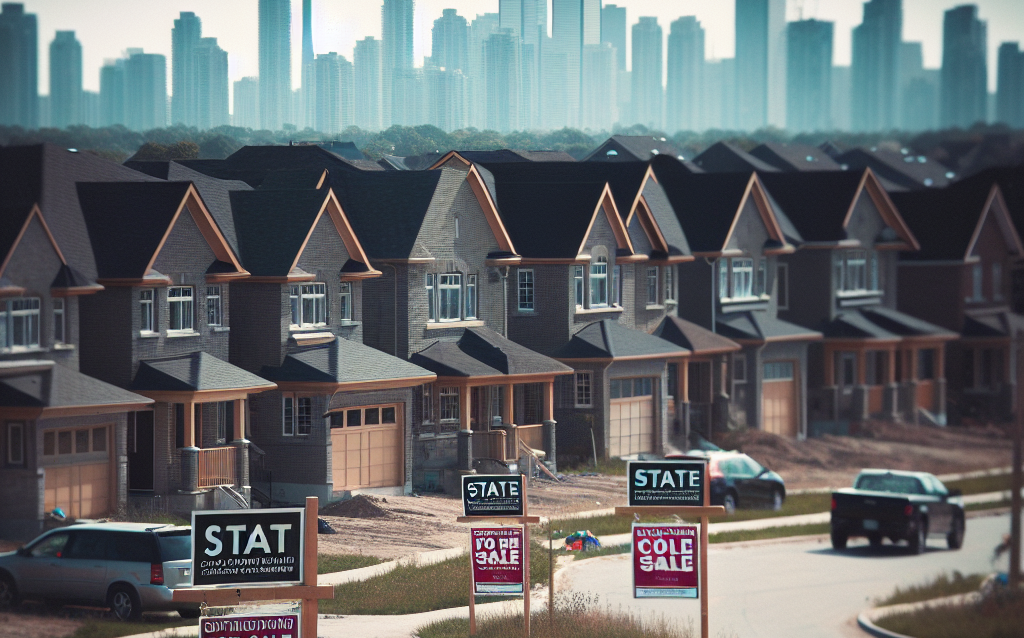
It’s official: new home prices in the Toronto area have flatlined, and the market is showing little sign of immediate recovery. According to the latest report from the Building Industry and Land Development Association (BILD), only 345 new homes were sold across the Greater Toronto Area (GTA) in May. That’s a jaw-dropping 87% below the 10-year average. If you’re a current or prospective homeowner, this is more than just another gloomy stat—it has real implications for home values, mortgage strategies, and where the market heads next.
Uncharted Territory for New Home Sales
The GTA hasn’t seen new home sales this low since the global financial crisis. Most of the 345 May sales were in the condo segment, with a mere 90 low-rise homes being sold. This isn’t just seasonal slowdown. These numbers point to serious hesitancy from buyers who feel price tags are still too high, even as interest rates remain elevated.
One reason? Market uncertainty. Many Canadians are waiting for clearer signals from the Bank of Canada about long-term rate direction. Until there’s confidence that rates will stay low—or go lower—homebuyers seem unwilling to jump in, especially when borrowing remains expensive. Even with a slim interest rate cut in June, mortgage rates haven’t dropped enough to drive demand.
If you’re holding off purchasing a new build, you’re not alone. Developers seem to be in a holding pattern as well. New project launches are being delayed, and construction timelines are stretching out. For those with a construction mortgage, this environment demands extra vigilance, particularly around timelines and lending conditions.
What Flat Prices Mean for Existing Homeowners
While headlines focus on sluggish new home sales, the ripple effects reach across the entire housing economy. When new home prices stagnate or fall, it adds downward pressure on resale values as well. That could limit your equity growth if you bought in the last few years and are still in the early stages of your mortgage.
Many homeowners in the GTA who had counted on property appreciation to offset high borrowing costs or fuel their next move may need to rethink their strategy. In a flat or declining market, it becomes even more important to optimize your mortgage. Whether it’s considering a refinance or switching from variable to a lower fixed-rate mortgage, small changes can free up thousands in cash flow or interest savings.
Another segment being squeezed? Homeowners nearing retirement. They may have planned to downsize or cash out while prices were high. Now, many are turning to alternatives like a reverse mortgage to unlock home equity without selling in a weak market. It’s not the right choice for everyone, but for some, it’s helping bridge retirement income gaps in this uncertain landscape.
Supply, Sentiment, and the Bigger Picture
The GTA’s new home price slump isn’t just about interest rates—it also reflects deeper issues with housing supply and policy. Municipalities are approving fewer new development sites, and high construction costs continue to make many projects unviable. At the same time, immigration remains high, and rental demand is surging. Something’s got to give.
According to the Canada Mortgage and Housing Corporation (CMHC), Ontario needs 1.85 million new homes by 2031 to restore affordability. Yet at the current pace, we’re not even coming close. The longer this imbalance lasts, the more likely we are to see a long-term housing crunch—even if prices temporarily cool now.
This is why some experts argue we’re experiencing a market ‘reset,’ not a collapse. Prices may have bottomed in the short term, but demand is building quietly behind the scenes. Once rates come down more significantly and buyers regain confidence, pent-up demand could push prices back up quickly. For current homeowners, that makes this a crucial time to plan smartly.
Where Do Buyers and Owners Go From Here?
If you’re waiting for rock-bottom prices, you may already be looking at them—at least for new builds in the GTA. But that doesn’t mean it’s time to dive in blindly. The cost of financing still matters more than the sticker price for many families. That’s why reviewing your options through a mortgage advisor who understands today’s market is more important than ever.
Have a renovation planned or another big expense coming up? Tapping your existing home equity through a HELOC might be a safer, cost-effective path compared to selling into a soft market. On the flip side, anyone with multiple properties or rental income might want to model out various mortgage scenarios using a mortgage calculator.
Ultimately, the question isn’t just “Have prices hit bottom?” It’s “What’s the smartest move to make today given your financial goals?” It’s different for everyone. But what’s certain is that standing still isn’t always the safest move in a market this dynamic.
Final Thoughts
With GTA new home sales hitting record lows, we may have reached the limit of this market downturn. Prices are holding, developers are pausing, and buyers are watching closely. For homeowners between 30 and 55—many of whom are juggling mortgages, planning for kids’ futures, or eyeing retirement—it’s time to reassess your position. Locking in the best mortgage rate or leveraging equity could make a big difference down the line.
If you’re unsure how these shifts affect you, connect with Unrate for a tailored mortgage plan. Whether you’re staying put, buying, or refinancing, getting the right advice today can help you avoid regrets tomorrow.
For more context on housing supply and affordability, the CMHC offers detailed analysis on what’s driving supply issues across Canadian cities.
Leave a Reply