

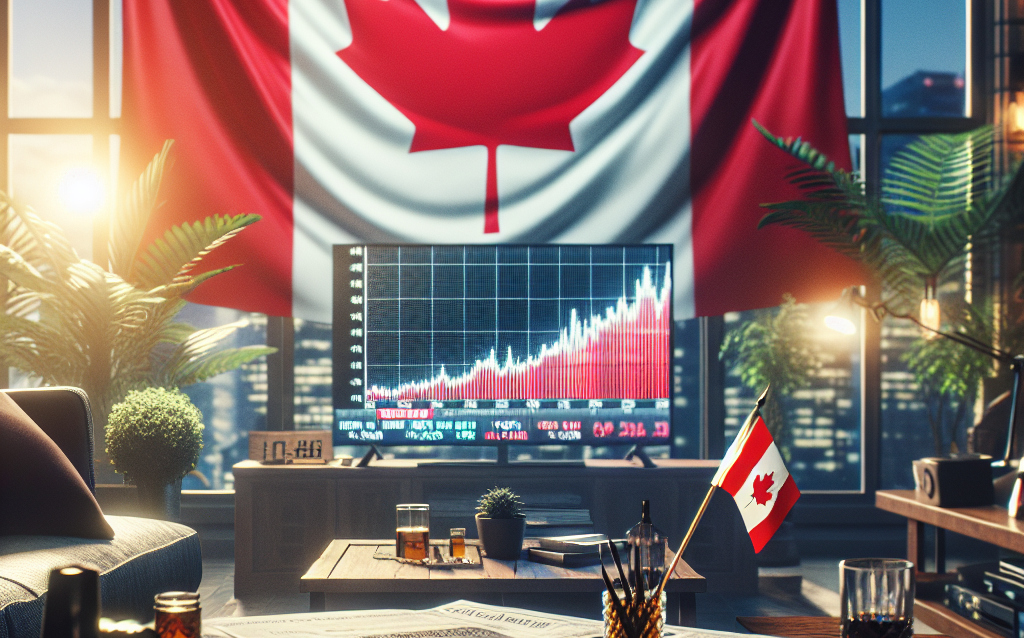
Global politics and oil may seem distant from your living room in Mississauga or condo in Vancouver, but recent developments between the U.S., Iran, and China could end up creeping into your mortgage statement. As the U.S. tightens economic pressure on Iran’s oil exports—primarily targeting China, its largest buyer—the ripple effects could reach the Canadian housing economy by way of inflation, interest rates, and overall affordability.
Understanding how this international move could sway domestic financial conditions is key for homeowners and buyers alike. Whether you’re carrying a variable rate mortgage or planning a refinance, paying attention to geopolitics is no longer a niche concern.
Geopolitics Meets the Canadian Housing Market
The U.S. is expanding its sanctions to stifle Iranian oil revenue, aiming to restrict Tehran’s ability to fund its military arms programs. This move is particularly focused on Chinese oil imports from Iran, which remain robust despite existing restrictions. The broader implication? Potential strain on global oil supply.
Canada, like the rest of the world, doesn’t exist in an economic vacuum. When global oil supply tightens—even due to sanctions far away—it usually causes an uptick in prices at the pump and on everything that gets moved, shipped, or produced using fossil fuels. That pushes inflation up.
Just last year, when oil prices surged past US$100 per barrel, Canadian consumers felt it in more ways than one. According to Statistics Canada, inflation reached a 40-year high in mid-2022. And when inflation rises, the Bank of Canada usually gets involved, often by adjusting its benchmark interest rate to cool down the economy.
For homeowners, this connection has real meaning. Rising inflation encourages the Bank of Canada to increase the cost of borrowing, which makes [variable-rate mortgages](https://unrate.ca/mortgages/variable-rate/) more expensive and can chill real estate activity.
Are We Facing Another Interest Rate Hike?
Right now, the Bank of Canada is in a balancing act. Inflation has cooled to around 2.9% as of early 2024, down from over 8% in 2022. But it’s still hovering above the target of 2%. While the central bank paused hikes earlier this year, any global shock—like a spike in oil prices due to sanctions—could tilt that balance again.
Increasing tensions in the Middle East, and more specifically this U.S.-Iran-China triangle, inject further uncertainty into BoC’s decision-making. If energy prices rise sharply due to a restricted oil supply, the impact on headline inflation will be immediate. While the Bank typically focuses more on core inflation (which excludes food and energy), higher costs at the pump often translate into higher logistics and goods pricing, which eventually sink into core measures.
All of this leads back to one uncomfortable question for mortgage holders: will borrowing costs go up again?
While it’s too soon to predict a rate reversal, these geopolitical moves suggest that rates may not drop as quickly—or as low—as many had hoped. For those sitting on the fence about locking in a [fixed-rate mortgage](https://unrate.ca/mortgages/fixed-rate/), staying informed is more important than ever.
Home Prices and Sales: What’s the Fallout?
Canada’s housing market is deeply sensitive to interest rates. We saw it in early 2022 when rapid rate hikes resulted in a 20% drop in national home sales over the year by Q4, as per data from the [Canadian Real Estate Association (CREA)](https://crea.ca/housing-market-stats/). If rates rise again in reaction to higher inflation from oil-related tensions, we could see another slowdown in both prices and activity.
On the flip side, tight listings and strong population growth—especially through immigration—continue to support housing demand. The CMHC forecasts that if supply doesn’t keep pace, prices will likely remain resilient even in high-interest environments. However, affordability remains a strain. As mortgage costs climb, house hunters may look toward smaller towns or consider borrowing alternatives like a [HELOC](https://unrate.ca/mortgages/heloc/) or [second mortgage](https://unrate.ca/mortgages/second-home-mortgage/).
Those planning to renovate instead of relocate may want to explore a [construction mortgage](https://unrate.ca/mortgages/construction-mortgage/) or other loan options that can help customize their space without buying again in a pricey market.
What Should Canadian Homeowners Do Next?
Geopolitical shocks remind us that the world is more connected than we often think. While we can’t control global sanctions or international diplomacy, we can plan accordingly. If you’re currently in a variable mortgage, review your amortization and payment schedule using a [mortgage calculator](https://unrate.ca/mortgage-calculator/).
Now is also a good time to explore your [refinance](https://unrate.ca/mortgages/refinance/) or prepayment options to lock in stability. For those closer to retirement, a [reverse mortgage](https://unrate.ca/mortgages/reverse-mortgages/) might offer flexibility without selling your home in an unpredictable market.
Keep an eye on oil prices and global headlines. If you start to see upward pressure on gas and energy bills, expect that to eventually show up in the interest rates tied to your home loan. And when in doubt, speak with a professional who can walk through the broader financial impacts—not just the updates from the Bank of Canada.
Conclusion: Be Proactive, Not Reactive
Sanctions may sound like something for politicians to worry about, but their aftershocks could affect your mortgage renewal next quarter. Higher oil costs can lead to broader inflation, which could delay or even reverse expected interest rate cuts in Canada. That makes borrowing more expensive and homeownership potentially more stressful.
Whether you’re considering a purchase, thinking about refinancing, or just watching interest rates, Unrate is here to help you stay ahead. Let’s talk strategy—before rates force the conversation.
Leave a Reply