

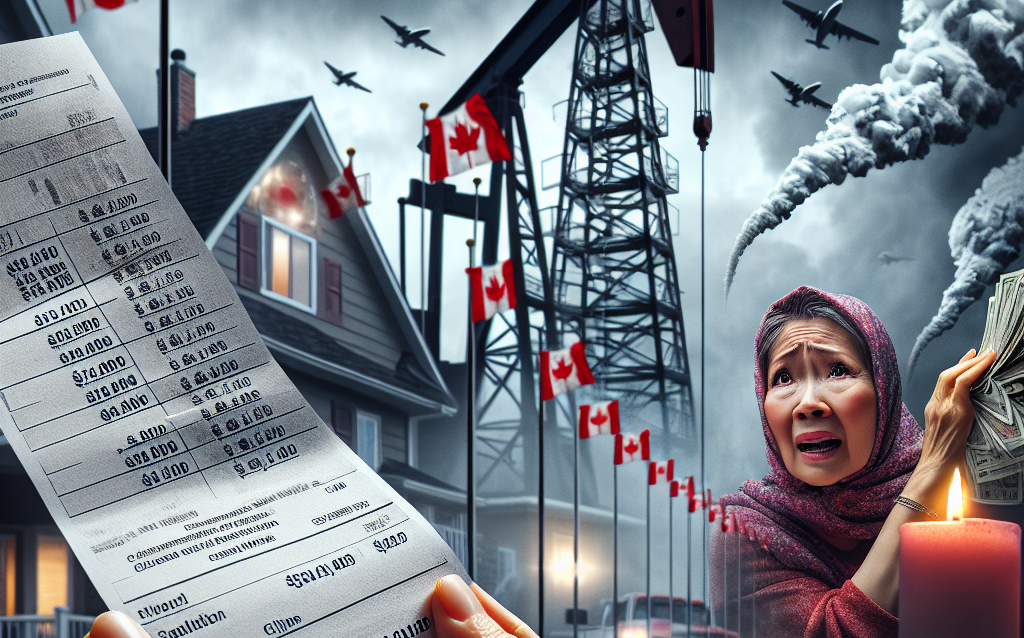
Global oil prices are back on the rise after a string of international developments stirred fresh uncertainty in the energy market. For Canadian homeowners already grappling with inflation, new rate pressures, and rising mortgage costs, this shift could have a subtle but meaningful ripple effect on their personal finances. Let’s unpack what this recent bump in oil means for Canada’s housing economy—and more importantly, for your mortgage.
The Oil Spike and Why It Matters Here at Home
Oil isn’t just a commodity—it’s a critical signal in the global economy. When prices jump, they have a way of seeping into everything from gas bills to grocery receipts. This week’s uptick was triggered by renewed geopolitical tension involving the U.S. administration targeting India’s oil import practices, combined with an unexpected drop in American crude supplies. Brent crude and WTI futures both saw gains near 0.9%, rebounding after recent declines. While that may seem distant for the average Canadian, the aftermath is far-reaching.
Why? Because a sudden surge in oil typically leads to higher overall consumer inflation. And when inflation surges, the Bank of Canada takes notice. Energy costs directly affect transportation and production pricing, which get passed along to consumers—and that includes housing-related costs like materials and utilities. Higher inflation forces the BoC to adjust interest rates to maintain price stability, which can influence mortgage rates across the board.
BoC Watching Inflation—and So Should You
The Bank of Canada is laser-focused on curbing inflation, which recently eased but remains above its target. According to its May 2024 report, the national inflation rate sat at 2.7%, creeping within target range but still sensitive to global price shocks (source: Bank of Canada). A prolonged increase in oil costs could slow that progress, putting future rate cuts on hold—or, worse, reopening the door to another rate hike.
For homeowners with variable-rate mortgages or those considering a refinance, energy spikes matter. Variable rates are especially volatile, changing in response to central bank movement. So, while oil prices alone won’t dictate mortgage rates, their influence on inflation puts them in the spotlight for policymakers. The higher oil climbs, the less likely the BoC will move swiftly to lower rates in the second half of 2024.
That dynamic also reminds us how interconnected broad economic trends are with our own budgets. Anyone planning a home purchase, renewal, or even a HELOC should be paying attention to these shifts, however seemingly unrelated they may feel at first glance.
Home Construction Costs Could Climb Again
Higher oil prices can also weigh on construction costs. That’s bad news for anyone hoping to see a major boost in housing supply anytime soon. Builders rely on fuel to transport materials, power machinery, and manage logistics. When fuel prices go up, so do quotes from contractors, material deliveries, and supplier invoices.
CMHC’s first-quarter 2024 report already noted delays in new home completions, with some provinces seeing project slowdowns due to labour shortages and cost inflation. If energy costs start trending higher again, we could see even tighter timelines and higher price tags on new builds. That could impact not only aspiring homeowners but also investors and those considering a construction mortgage to build their dream home from scratch.
In urban centres like Toronto and Vancouver, where affordability remains strained, any rise in build costs puts additional stress on buyers hoping new supply will ease price pressure. Unfortunately, if oil remains volatile, the trickle-down may stall housing relief in 2024.
Steady Home Price Growth Keeps Pressure on Buyers
Despite a cooling period earlier this year, home prices in many Canadian markets have begun inching upward again. According to CREA, the national average home price reached just over $700,000 as of April 2024, a modest gain from Q1. The number of sales also rose for the third consecutive month, signalling renewed interest from buyers anticipating future rate cuts.
But with energy markets now throwing uncertainty into those rate expectations, buyers may think twice. If oil prices drag inflation upward, lowering interest rates quickly becomes harder to justify. For homeowners hoping to switch to a more affordable fixed-rate mortgage or access equity through a reverse mortgage, the next few months will be critical as we watch how both inflation and Bank of Canada sentiment evolve.
Conclusion: What Should You Do Now?
There’s a lot of noise in the market right now, and headlines about oil might feel unrelated to your family, your house, or your next renewal. But they shouldn’t. Rising oil prices could subtly shift Canada’s inflation picture, which will play a determining role in mortgage rate trends as we head deeper into 2024.
Whether you’re worried about housing affordability, tracking interest rate changes, or curious if a mortgage calculator still supports your short-term plans, staying informed is your best weapon against uncertainty.
If you’re feeling unsure how current economic trends are affecting your own mortgage or future purchase plans, reach out to us at Unrate. We’re here to help you navigate the ebbs and flows of the market and find a mortgage solution that works for you—oil prices and all.
Leave a Reply