

For every dollar you put into these improvements, you stand to gain much more in your sale price—often getting back $1.50, $2 or more in value for each $1 spent, depending on the project. Before you rush into any makeover, always consider the return on investment and buyer appeal of a design choice. It can be very helpful to consult with a professional interior designer who understands the Toronto market’s tastes and trends. An experienced design firm such as Julie Reinhart Design can guide you on which upgrades
In Toronto’s competitive real estate market, a well-designed interior isn’t just about aesthetics—it’s a strategic investment that can significantly boost your home’s sale price. Even subtle improvements can noticeably increase a property’s perceived valuejournee-mondiale.com. This article provides a comprehensive overview of impactful design changes—from lighting and layout to color schemes, flooring, and staging—and quantifies how each can enhance your resale value. We’ll also highlight the importance of broad appeal and caution against over-personalizing your decor, ensuring you attract the widest range of buyers.
Brighten Up: Lighting Improvements That Pay Off
Buyers are naturally drawn to bright, well-lit spaces. Upgrading your home’s lighting is one of the most cost-effective ways to increase its appeal and value. Modern LED lighting in particular not only makes interiors look more spacious and inviting, but it can also bump up your home’s value by an estimated 1% to 3%rocolighting.com. That might seem modest, but in a city like Toronto where the average home price exceeds $1 millionbalsaminteriors.com, a 2% lighting-related value boost equates to roughly $20,000.
- Maximize natural light: Open curtains and blinds fully during showings and consider installing larger windows or skylights in dim areas. Bright natural light makes rooms feel larger and more welcoming.
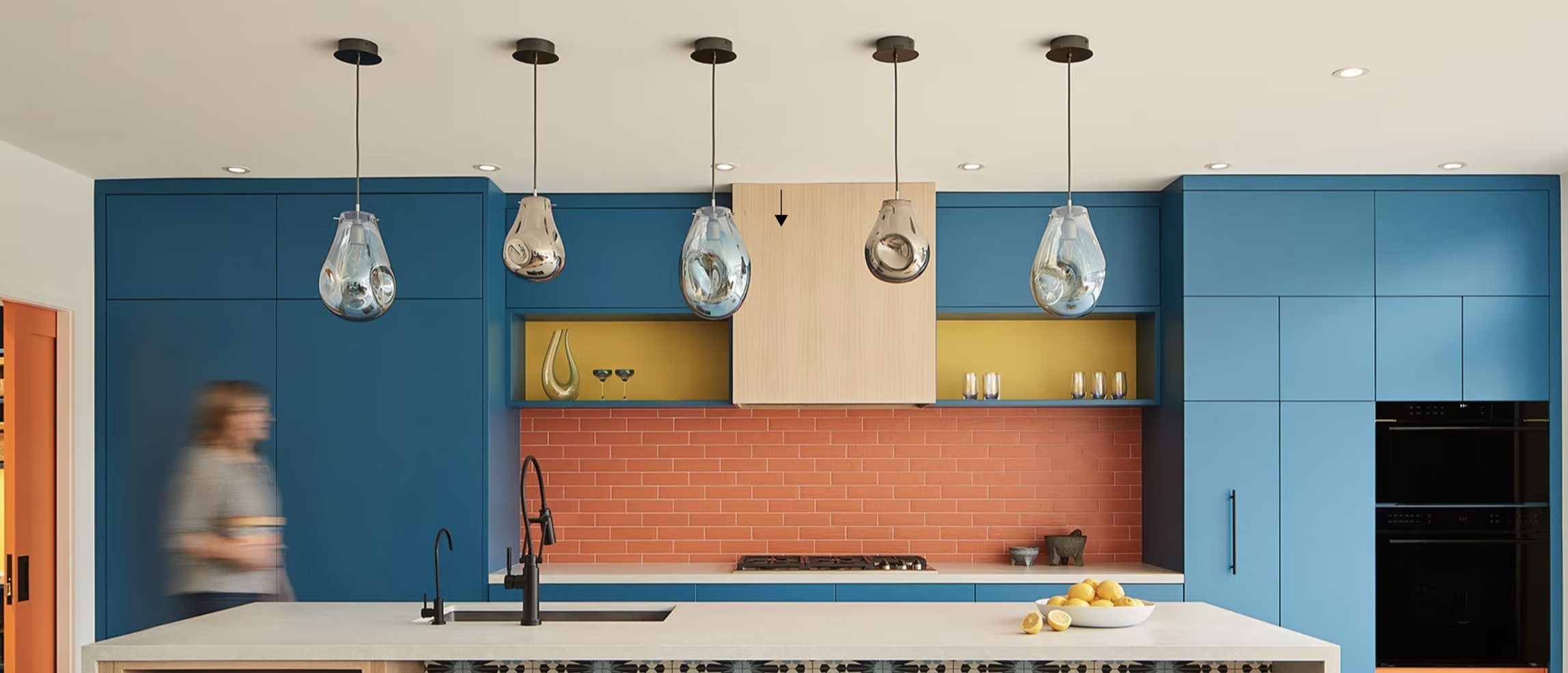
- Upgrade fixtures: Replace outdated ceiling lights with modern, energy-efficient fixtures. Popular choices include recessed pot lights in living areas and kitchens, statement pendants over dining tables or islands, and sleek LED vanity lights in bathrooms.
- Layer the lighting: Use a mix of ambient (overhead) lighting, task lighting (desk or under-cabinet lights), and accent lighting (floor lamps, wall sconces) to create a warm, versatile glow in each room. A well-lit home feels more luxurious and move-in ready to buyers.
Don’t forget exterior and entryway lighting as well, since they set the stage for a buyer’s first impression. A thoughtfully illuminated entryway can even elevate perceived property value; one analysis of high-end home sales found entryway design improvements (like lighting and decor) boosted value by around 12.3% on averagejournee-mondiale.com. In short, brightening up your home—inside and out—helps ensure you’re not leaving money on the table when you sell.
Open and Airy: Optimizing Layout and Space
Floor plan and layout have a powerful impact on buyer perception. Many of today’s buyers, especially in urban markets like Toronto, covet open-concept layouts that maximize flow and space. Real estate experts note that an open layout can increase a home’s resale value significantly; some houses fetch up to 15% more compared to similar homes with cramped, sectional floor planscornerstone.house. Removing a non-structural wall to merge a kitchen and living room, for example, can make an older house feel brand new and much larger than its square footage suggests.
Even if a full open-concept renovation isn’t feasible, there are smaller layout tweaks that can pay dividends:
- Create clear sightlines: Arrange furniture to allow easy movement and visibility throughout a space. For instance, avoid placing tall shelving or bulky sofas that block views between rooms.
- Define multi-functional spaces: If you have an awkward nook or a den, stage it as a home office or reading corner. In a city where space is at a premium, showing versatile uses of every area adds perceived value.
- Eliminate clutter and oversized pieces: A cleaner, minimalist layout will make each room seem bigger. Temporarily remove unnecessary furniture while showing the home to let buyers appreciate the full dimensions.
Toronto buyers tend to favor homes that feel open, bright, and adaptable to their needssansainteriors.com. By optimizing your layout—whether through a modest renovation or simply strategic furniture placement—you appeal to this preference and can command a higher price. Just remember not to sacrifice all practicality for the sake of openness; a balance of open gathering areas and some private nooks will cater to the widest range of buyer lifestyles.
Color Schemes: The Power of a Fresh Palette
Never underestimate the impact of a fresh coat of paint. Updating your interior color scheme is one of the simplest and highest-ROI improvements you can make before selling. New paint instantly makes a home feel cleaner, newer, and more spacious, all at a relatively low cost. In terms of return on investment, interior painting tends to recoup most of its cost, often around an 80%–100% return on investmenthomeanalytics.ca.
The key is choosing colors strategically:
- Stick to neutrals: Bright or eccentric colors might reflect your personal style, but neutral tones (think whites, light grays, beige or “greige”) have the broadest appeal. Neutral walls create a blank canvas that lets buyers imagine their own furniture and style in the space.
- Create a cohesive flow: Use a consistent palette throughout the home for a sense of continuity. You might paint main living areas an airy light gray and use a complementary off-white or soft taupe in bedrooms. This avoids jarring transitions and makes the whole home feel unified.
- Refresh trim and details: Don’t forget baseboards, crown molding, and doors. A crisp white trim against neutral walls can make architectural details pop and signal that the home has been well maintained.
According to one remodeling guide, a well-executed painting project can potentially double your investment in terms of added valuekelownapainter.ca. Beyond the dollars and cents, fresh paint gives your home a “like-new” feel that can sway buyer emotions in your favor. It’s a classic example of a small upfront expense leading to a big payoff on closing day.
Flooring Upgrades: Laying the Groundwork for Value
Flooring forms the literal foundation of your interior, and buyers pay keen attention to what’s underfoot. Worn-out carpets or dated vinyl can drag down a home’s perceived value, while updated flooring can dramatically elevate it. In the Toronto market, installing hardwood floors (or quality engineered hardwood) is often cited as a top value-boosting upgrade. Even less expensive updates like replacing old carpeting with modern laminate or luxury vinyl planks can make a big difference in first impressions.
The financials behind flooring upgrades are compelling. National surveys have found that homeowners typically recoup 100% or more of the cost of new hardwood floors when selling, with an average 118% ROI for installing hardwoodbreezewoodfloors.ca. That means a $5,000 flooring upgrade might translate into around a $5,900 increase in your home’s sale price.
When updating floors for resale, prioritize materials with broad appeal:
- Hardwood or quality engineered wood: These are perennial favorites among buyers due to their durability and classic look. Many Toronto buyers specifically look for hardwood floors, which can instantly elevate the perceived quality of a home.
- Modern laminates or vinyl planks: If budget is a concern, high-grade laminate or luxury vinyl can mimic hardwood’s look at a lower cost. Choose neutral, wood-like finishes and avoid patterns that are too bold or trendy.
- Avoid niche materials: Steer clear of very unusual flooring choices that might not suit everyone’s taste. For example, cork flooring or overly bold tile patterns could give buyers pause. Generally, replacing wall-to-wall carpet with a hard surface is wise, as most buyers prefer hard flooring and may plan to remove carpet anyway.
New flooring not only adds monetary value, but it also removes a potential objection. A home with brand-new floors signals “move-in readiness” – buyers know they won’t have to budget for immediate floor replacements, which can encourage higher offers.
Stage to Impress: Showing Your Home at Its Best
Beyond permanent improvements to the property itself, how you stage and present your interior can greatly influence buyer perceptions and final sale price. Home staging involves furnishing and decorating a property strategically so that it feels inviting and allows buyers to easily imagine living there. In the Greater Toronto Area, professional staging has proven to be a game-changer for resale: according to the Real Estate Staging Association, staged homes can lift sale price by about 5% to 15% on averagebalsaminteriors.com. In concrete terms, staging a home valued at $1,000,000 could potentially add $50,000–$150,000 to the sale price—a huge return compared to the staging investmentbalsaminteriors.com.
A dramatic before-and-after example of home staging in Oshawa, Ontario. By decluttering, rearranging furniture, and adding stylish decor, a once cluttered bedroom was transformed into a bright and inviting space that appeals to buyersbalsaminteriors.com. Staging works by helping buyers emotionally connect with the space. Only about one in ten buyers can actually picture the potential of an empty or unstyled spaceinteriordesign.to. Effective staging makes each room look functional, spacious, and universally appealing.
Key staging tactics include:
- Declutter and depersonalize: Remove personal items, family photos, and excess furniture. This creates a clean canvas and prevents overwhelming or distracting buyers. As one Toronto realtor advises, staging should be “aspirational, not personal,” allowing buyers to project their own life onto the spacechristinecowernteam.com.
- Use appropriately sized furniture: Use appropriately sized, modern furniture in each main room (rented if necessary) to highlight its purpose and layout. Well-placed pieces make small rooms feel functional and large areas feel defined.
- Add finishing touches: Small accents like mirrors (to amplify light), plants, artwork, and plush linens can make a home feel warm and lived-in. Aim for a style that is contemporary yet neutral enough to please a wide audience.
The goal of staging is to make the home feel “move-in ready” and help buyers fall in love at first sight. Even a few thousand dollars spent on staging can translate into tens of thousands in a higher sale pricebalsaminteriors.com.
Broad Appeal: Avoid Over-Personalization
While upgrading your interior, it’s crucial to maintain broad buyer appeal. Over-personalizing your home—decorating or renovating in an extreme or very specific style—can backfire when it’s time to sell. The more personalized a home is, the more difficult it may be to sell to a general audiencemansionglobal.com. Buyers might admire unique features, but anything too eccentric will only appeal to a small niche, potentially turning off the majority of buyersmansionglobal.com.
To protect your property’s value, lean toward design choices that are stylish yet neutral. For example, if you love bold colors or custom wallpaper, use them in easily changeable accents (like artwork or rugs) rather than on whole walls. Keep permanent elements such as cabinetry, countertops, and fixtures in classic materials and universally appealing hues. Remember that if a prospective buyer mentally tallies up the cost of undoing your highly personalized choices, they may reflect that in a lower offer.
In short, design for the market, not just yourself when you’re aiming to sell. You can still incorporate the latest interior design trends—just do so with a light touch. The aim is to create a beautiful space that the highest number of buyers will find attractive and “move-in ready,” rather than an eclectic space that only a few will love. By avoiding over-customization, you won’t limit your pool of potential buyers, and you increase the likelihood of a faster sale at a better price.
Sources:
- Real Estate Staging Association (RESA) – Staging statisticsbalsaminteriors.comchristinecowernteam.com
- Consumer Reports via Roco Lighting – LED lighting adds 1–3% home valuerocolighting.com
- TRREB/GTA market data – Average home price and buyer preferencesbalsaminteriors.comsansainteriors.com
- Cornerstone Remodeling – Open concept ROI up to 15%cornerstone.house
- RE/MAX Canada – Home improvement ROI estimatesblog.remax.cablog.remax.ca
- Home Analytics (Alberta) – Interior paint ROI 80–110%homeanalytics.ca
- BreezeWood/National Assoc. of Realtors – Hardwood floor ROI ~118%breezewoodfloors.ca
- Journee Mondiale – Entryway impression study (12.3% value boost)journee-mondiale.com
- Christine Cowern Team – Staging stats (5–25% over asking)christinecowernteam.com and staging philosophychristinecowernteam.com
- Mansion Global – Over-customization pitfalls (unique features turned off 95% of buyers)
Leave a Reply