

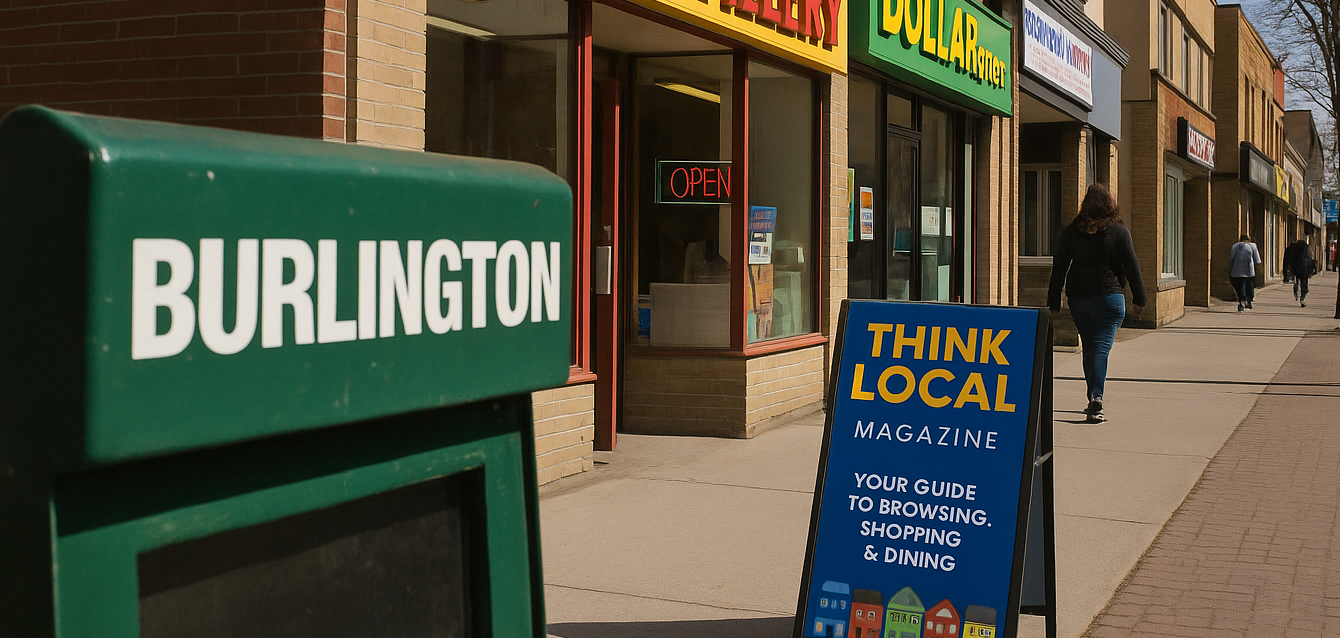
Burlington’s neighbourhood business groups don’t usually make mortgage headlines. But when a Business Improvement Area (BIA) changes how it spends money—like launching a new local magazine to spotlight shops and services—it can ripple into real estate demand, buyer confidence, and even how appraisers view a community’s “feel.” For homeowners and move-up buyers, these small signals matter. If you’re watching the market or weighing a renewal, it’s a good time to keep one eye on local economics and the other on Best Mortgage Rates.
Why a neighbourhood magazine can move housing demand
A new magazine might sound like old-school marketing. In practice, it’s a targeted bet on foot traffic. When a BIA invests in promoting local businesses, they’re trying to keep dollars in the neighbourhood and make the area feel active and cared for.
That matters because housing demand is emotional as much as it is financial. Buyers don’t just shop for square footage. They shop for a Saturday morning routine. A strong main street, busy cafés, and visible community activity all help turn “nice house” into “I can picture my life here.”
In Burlington, Aldershot has long carried a mix of commuter appeal and family-friendly streets. When the local business community doubles down on promotion, it can subtly support home values over time—especially in areas where buyers compare neighbourhoods that otherwise look similar on paper.
From a mortgage broker’s lens, the key takeaway is this: local economic confidence can help stabilize real estate activity even when interest rates feel heavy. It doesn’t override rate pressure, but it can cushion the drop in buyer enthusiasm.
2026 budget shifts: what BIAs are really signalling
The bigger story isn’t just the magazine itself. It’s that Burlington’s BIAs are adjusting how they plan to spend in 2026. When local business groups shift budgets, it often reflects changing conditions on the ground—rents, staffing costs, consumer traffic, and how far marketing dollars stretch.
If you’ve felt the cost of living bite, you’re not alone. Many small businesses are working through the same squeeze. A BIA may redirect spending toward projects that deliver measurable results, like targeted promotions and campaigns that bring people back more often.
For homeowners aged 30 to 55, this matters in a practical way. Strong neighbourhood commerce supports local jobs and keeps amenities close. That’s part of what makes a community resilient when sales slow and listings sit longer.
It also feeds into buyer behaviour during a rate-sensitive cycle. When interest rates are high, buyers become pickier. They’ll often pay a premium for locations that feel “finished”—walkable, convenient, and lively—because they’re already stretching to qualify.
To put the rate side in context, the Bank of Canada’s policy rate remains the big dial that influences variable mortgage pricing across Canada. You can track decisions and background data directly from the Bank of Canada key interest rate page. Even small expectations about the next move can change how quickly buyers jump back in.
What this means for Burlington home prices and sales
Real estate doesn’t move in a straight line. It moves in waves—rates, confidence, supply, and local stories. A BIA pushing a local business campaign is one of those “local stories” that helps an area stand out when buyers have options.
Nationally, sales and price trends are still heavily shaped by financing conditions and supply. If you want the cleanest snapshot of market activity, the CREA housing statistics dashboard is a useful place to start. It shows how sales volumes and new listings shift month to month.
In a higher-rate environment, I often see a split market. Well-kept homes in desirable pockets still move. Homes that need work, or that are priced like it’s 2021, can stall. Neighbourhood vibrancy plays into that split because buyers see it as a form of “future proofing.”
There’s another angle here: appraisals. Appraisers aren’t pricing in a magazine launch directly, of course. But they do factor in neighbourhood desirability, nearby amenities, and comparables that reflect buyer preferences. If community investment helps maintain demand, it can support comparable sale prices over time.
If you’re a homeowner thinking about renovations or upgrades, this is where local economics and mortgage planning meet. Sometimes the best return comes from improving livability rather than chasing trendy projects. If your neighbourhood is investing in bringing people out, curb appeal and functional layouts tend to matter more because buyers want move-in-ready homes.
Mortgage strategy: using home equity wisely during uncertainty
When the housing market feels choppy, homeowners often ask a version of the same question: “Should I sit tight, or use my equity to improve my options?” The answer depends on your timeline, your rate, and your risk comfort.
If you’re considering renovations, bridging costs, or consolidating higher-interest debt, a HELOC can be flexible. It’s not a one-size-fits-all solution—variable pricing can move, and discipline matters—but it can help you avoid breaking a good mortgage early.
On the other hand, if your existing mortgage rate is far below today’s rates, refinancing can be expensive once you include penalties and the jump in interest cost. Before making a move, I like to run the numbers in a way that’s easy to understand. Even a simple payment test can clarify the decision. If you want to do a quick reality check at home, the Mortgage Calculator is a handy tool to see how different rates and amortizations change your monthly budget.
For buyers, neighbourhood-level business investment is a reminder to look beyond the listing. Ask what’s happening in the area. Are shops opening or closing? Is the community marketing itself? Are there signs of long-term care and pride? Those details can matter when you sell later, especially if the market cools again.
For homeowners renewing in the next 6 to 18 months, it’s worth watching rate expectations closely and getting a plan in place early. The right mortgage strategy isn’t just about chasing the lowest rate. It’s about matching your term and product to your life—job stability, family needs, and the chance you might move.
And yes, local business health belongs in that picture. A stable, busy neighbourhood tends to hold demand better than one that feels like it’s losing momentum.
Conclusion: small local signals can have big housing impacts
A Burlington BIA launching a magazine and shifting its 2026 spending plan might seem minor beside national rate headlines. But neighbourhood economics often show up first in small signals like this—how hard a community is working to attract visitors, support shops, and keep streets feeling active.
For homeowners, the implication is simple: the strength of your local area helps support your property value, especially when buyers are cautious. For buyers, it’s a reminder that the “vibe” you feel on a weekend walk can translate into long-term resale demand.
If you’re weighing a purchase, renewal, or a home equity plan, Unrate.ca can help you compare options and choose a mortgage strategy that fits your goals—without guessing your way through a shifting market.
Leave a Reply