

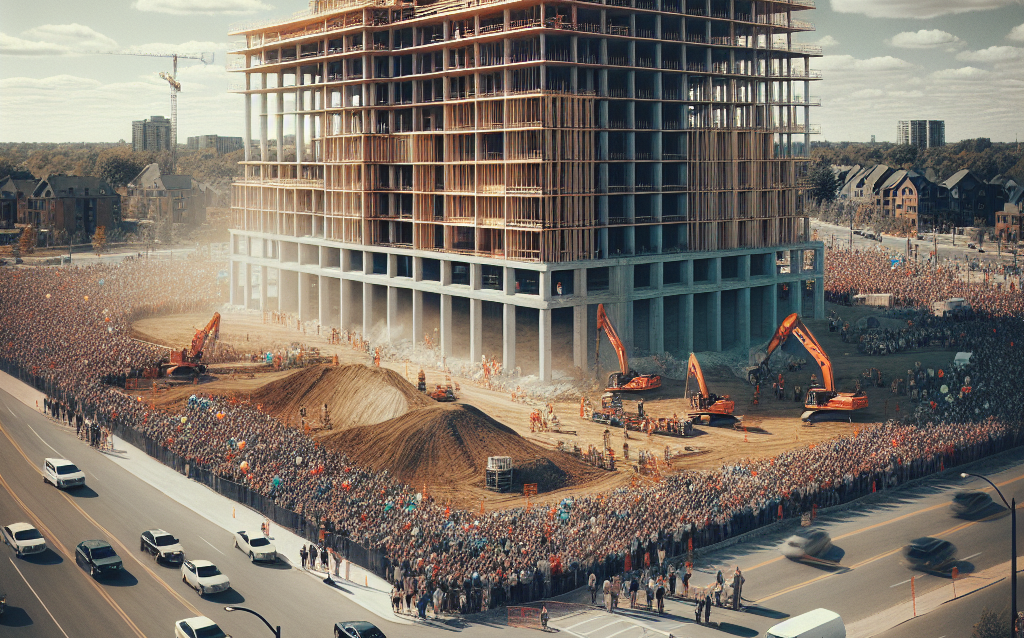
This week, the long-debated Lansdowne 2.0 redevelopment in Ottawa is officially breaking ground. The $418.8 million project has stirred passion on both sides — with some celebrating new housing and commercial opportunities, and others questioning whether it adds real value to the community. For Canadian homeowners eyeing their local market, this project is more than a civic upgrade — it’s a signal of what’s ahead in real estate development and, possibly, property values.
The Price Tag: Investment or Overspend?
In real estate, the scale of a public-private investment like Lansdowne 2.0 inevitably raises concerns about return on value. The City of Ottawa’s portion of the bill — roughly $419 million — comes with substantial expectations. Key features of the build include new residential units, an events centre, commercial spaces, and parkland improvements. Supporters claim this is revitalization money well spent. Detractors warn it could be a vanity project with limited upside for taxpayers.
From a homeowner’s perspective, the question is simple: Will it help or hurt property values nearby?
Real estate agents typically see new developments as value boosters, particularly when green space, retail, and amenities are added. But we’re entering a time when high interest rates and construction costs put extra pressure on ROI. According to data from the Canada Mortgage and Housing Corporation (CMHC), average construction costs rose by 15% in 2023 alone nationally. If these kinds of cost spikes persist, it could narrow future municipal budgets or delay other projects — both of which affect neighbourhood desirability.
Neighbourhood Impact: Watch Those Comps
Ottawa homeowners specifically — especially those in the Glebe and Old Ottawa South — will want to keep a close eye on comparative sales data over the next three years. Amenities like a major entertainment space may drive short-term interest, especially among younger buyers and renters. But a prolonged construction timeline or commercial vacancy could depress values temporarily.
CREA’s April 2024 data shows average home prices in Ottawa sitting around $643,000 — down about 7% from 2022 highs. That market erosion came as higher fixed-rate mortgages cooled buying enthusiasm. Lansdowne 2.0 may stimulate condo development and prompt investors to enter the mix, which could compound affordability challenges for families.
On the flip side, new housing supply is sorely needed. The CMHC estimates Ottawa needs to build 151,000 new homes by 2030 to reach affordability goals. Projects like Lansdowne 2.0 aren’t a silver bullet, but they represent the kind of urban intensification that can help — if they are priced for a range of income levels.
Construction Timing at Odds With Market Conditions
While shovels are hitting the ground soon, the timing comes amid persistently high mortgage rates and buyer anxiety. The Bank of Canada held rates at 5.0% throughout early 2024, and although rate cuts are expected by year-end, we’re not seeing much relief yet. That puts added strain on property holders and developers alike.
If Lansdowne-phase condos come to market just as rates soften, developers could benefit from a small wave of eager buyers. Those holding off on upgrades or refinancing today may be strategic. But if costs spiral or delays mount, the upside of buying during construction could vanish.
For those hoping to finance their own home upgrades or invest in a rental property in Ottawa, options like a construction mortgage may be attractive in the coming year. But proceed with caution — rising land values don’t always translate into faster equity gains.
Public Sentiment May Shape More Than Just Politics
Perhaps the most unpredictable factor in Lansdowne 2.0’s market effect is how it plays out in public opinion over the next decade. If it becomes a beloved mixed-use space tying together community and culture, then nearby housing prices will likely rise accordingly.
But if it’s seen as a costly blunder, or if traffic congestion — already a concern for residents — worsens, there could be unintended pressure on resale value. For middle-aged homeowners still paying down their mortgage, that matters. Whether you’re considering early renewal or weighing options like a refinance, knowing a project’s impact on neighbourhood perception plays into your long-term strategy.
One potential bright spot is the effect on seniors looking to age in place or tap into home equity. Lansdowne could become a cultural hub, reshaping older Ottawa as a more walkable and accessible zone. This makes options like a reverse mortgage even more strategic for those looking to access cash without moving.
Conclusion: What’s It Worth To You?
There’s no denying that Lansdowne 2.0 is a bold move. Whether it delivers on its promise depends on costs, completion, and community response. For Ottawa homeowners — and Canadians watching similar city projects unfold — it’s a case study of how urban development ties into real estate performance and personal finance.
If you’re unsure how nearby developments may impact your home’s equity or how to leverage it wisely, Unrate’s mortgage experts can help you assess your best move, whether that’s staying the course, refinancing, or tapping into newfound value.
Leave a Reply