

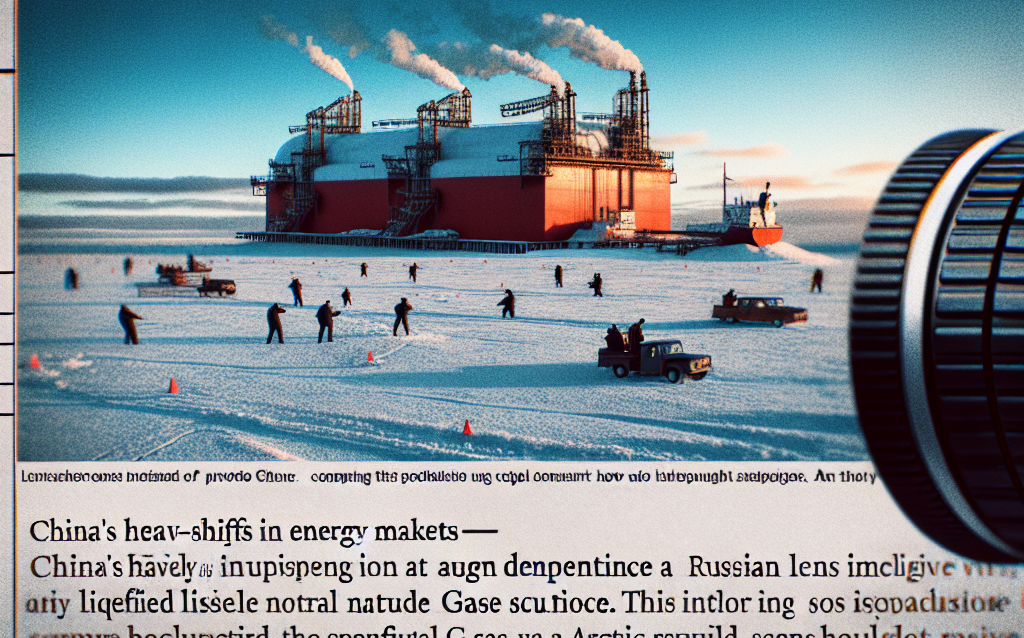
Global energy markets are shifting again—and this time, the ripple effect may touch your mortgage here at home. With China doubling down on Russian liquefied natural gas (LNG) via the Arctic, the economic and geopolitical implications extend far beyond pipelines and tankers. What does it have to do with Canadian homeowners? More than you’d think. As energy flows shift, inflation pressures, central bank policies, and borrowing costs all follow the current. Let’s unravel how this frozen trade route could melt into real changes for your mortgage payments.
From Siberia to Shanghai—And How That Reaches Ottawa
China’s latest energy pivot—importing natural gas from Russia’s Arctic LNG 2 terminal via the Northern Sea Route—has created a new eastbound corridor of global trade. In doing so, China is insulating itself from energy market volatility in the West. But here’s where it ties into Canadian economics: energy prices are a major feed into inflation expectations. And the Bank of Canada (BoC) watches inflation like a hawk when deciding interest rates.
When global energy prices ease, it becomes easier for the BoC to justify lowering its key lending rate. That’s great news for anyone holding a variable-rate mortgage or looking to refinance in 2024. On the other hand, if energy disruptions cause price spikes elsewhere, it could encourage a more cautious banking stance. According to BoC’s April Monetary Policy Report, global commodity prices still drive a sizable chunk of Canada’s inflation story. A surprise bottleneck in global gas supply could hold rates higher for longer.
Why Homeowners Should Watch Global Commodity Moves
Most Canadian homeowners don’t follow LNG headlines, understandably. But consider this: the average monthly mortgage payment in Canada has jumped over 60% since 2020, largely due to interest rate hikes fuelled by inflationary pressure. If China’s bet on Russian LNG helps stabilize energy markets in Asia, it could lessen demand pressure elsewhere, including on North American supplies. That’s a good thing.
Lower energy prices worldwide would give Canadian inflation some breathing room, possibly encouraging the BoC to roll back its overnight rate—which currently sits at 5%. A single 25-basis-point rate cut could shave $70–$100 off the average variable mortgage payment per month. For homeowners with a HELOC or those considering a variable rate mortgage, that swing matters.
In a recent update, the Canadian Real Estate Association (CREA) noted that national home sales are “lagging expectation” amid high interest stress tests. Any downward action on rates would stimulate more activity, particularly in sensitive urban markets like Vancouver and Toronto. Even just a hint of lower borrowing costs would give hesitant buyers extra confidence to enter the market—and that affects home values province-wide.
Mortgage Strategy in a Globalized Economy
As energy markets modernize around new routes and new alliances—like this emerging China-Russia LNG pact—Canadian borrowers need to stay nimble. For those already stretched under high monthly obligations, now may be a prudent time to explore refinancing at more favourable terms before rates drop further and qualifying gets tougher again.
For older homeowners sitting on built-up equity, there’s also increasing interest in reverse mortgages as a flexible way to unlock capital without selling. Especially as economic uncertainty looms worldwide, having liquidity on hand—without adding monthly payments—can feel like a safe harbour.
New construction plans may also benefit in this shifting macro backdrop. Lower energy and borrowing costs could stimulate delayed projects into life again. If you’re thinking about breaking ground on your dream home, this could be the moment to look into a construction mortgage tailored to your build-out schedule and location.
Don’t Ignore the Currents
The bottom line: even developments as distant as Russia’s Arctic LNG 2 program can create currents that eventually reach our own mortgage shores. When global commodity prices ease, we see calmer inflation waters, giving way to possible rate reductions. That not only affects your next mortgage renewal or home search, but also impacts home values overall.
The Bank of Canada’s next rate decision may not directly mention LNG vessels crossing the Kara Sea—but the economic ripple is real. If you’re navigating today’s high-rate landscape, it’s worth connecting with an advisor who monitors both local and global factors. At Unrate, we analyze trends that matter to you—from neighbourhood prices to shifting international markets—so your mortgage strategy moves with the times.
Curious how global shifts could impact your rate? Start by checking the best mortgage rates available now.
Leave a Reply