

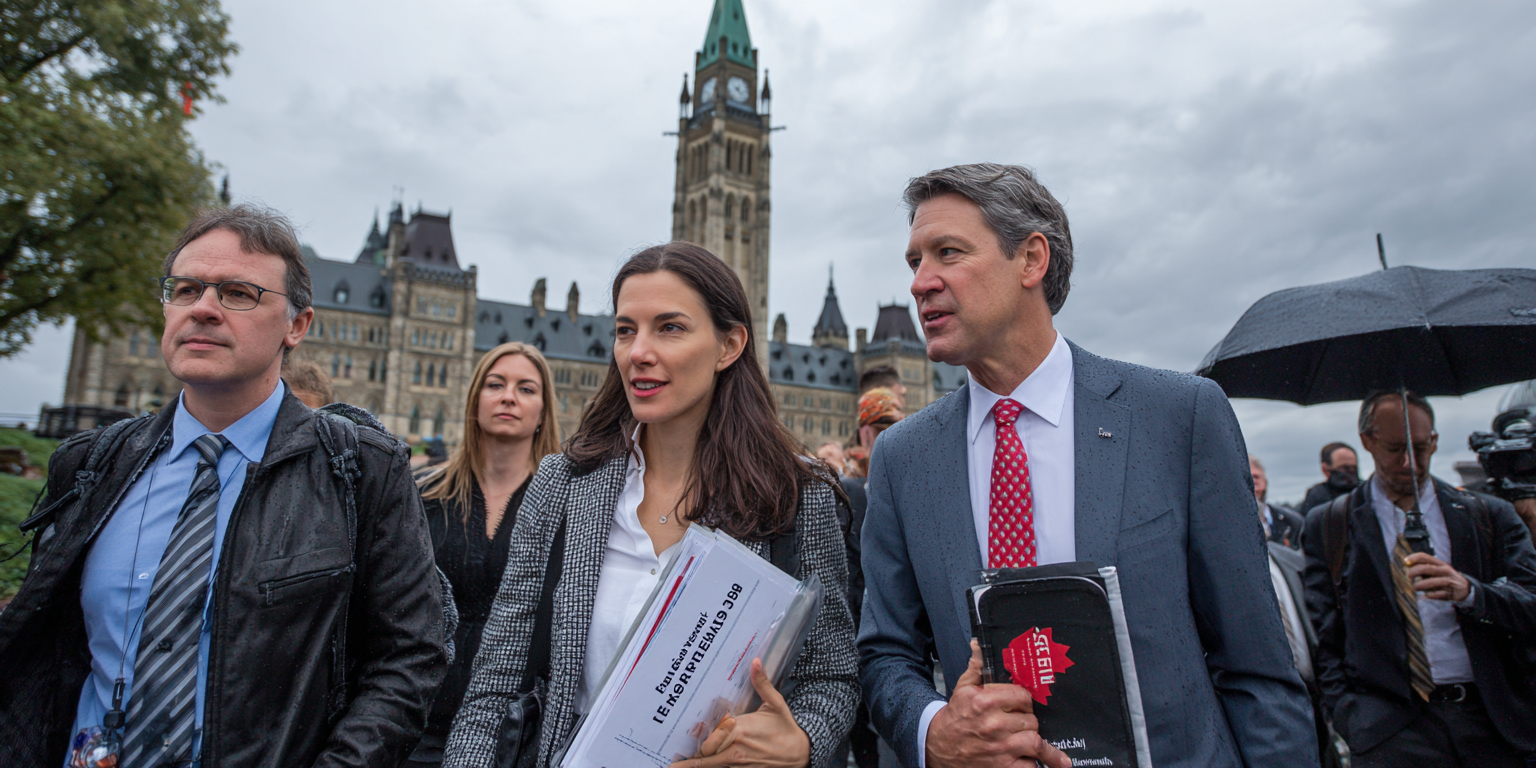
As the political climate heats up ahead of the 2025 federal election, many Canadian homeowners are asking: how does political uncertainty affect my mortgage, home values, and the wider real estate economy? With shifting policy signals and market reactions dominating headlines this July, it’s more important than ever to read between the lines.
In times of political change, financial markets often get jittery. Interest rates, consumer confidence, and home prices can all move in response. For Canadian homeowners aged 30 to 55—many juggling mortgages, children, and retirement planning—these shifts feel personal. Let’s take a closer look at where politics and the housing market intersect this summer, and what it means for your mortgage strategy.
Bank of Canada Holds Rates—But For How Long?
This month, the Bank of Canada kept its key interest rate steady at 4.25%, resisting calls for another cut after June’s mild easing. While that might sound uneventful on the surface, it signals cautious optimism from policymakers as they monitor broader economic and political developments.
Behind the scenes, inflation is still trending slightly above the BoC’s 2% target. According to the Bank’s July release, core inflation remains “sticky,” especially in shelter-related categories. In other words, your grocery bill might settle, but your housing costs likely won’t.
That’s a warning flag for mortgage rates. Fixed mortgage rates have dropped slightly since spring but are still hovering around 5% for five-year terms. And while variable rate holders enjoyed minor relief in June, any further cuts are on pause until inflation stabilizes.
For buyers and current homeowners, this means short-term rate relief isn’t guaranteed. Talk of rate cuts in the fall now looks premature—and if election-related spending drives up inflation, the BoC may pump the brakes on any cuts.
Home Prices Rise as Supply Stalls
Home prices climbed again in June across major metros, according to the latest CREA statistics. National home sales increased 4.1% from May, while the average selling price rose nearly 2.3% year-over-year—marking the third consecutive month of growth.
Driving much of this rebound is limited supply. Many sellers are still sitting tight, wary of entering the market with interest rates elevated. As a result, new listings dropped 1.2% in July, keeping inventory at historical lows, especially in major cities like Toronto, Vancouver, and Calgary.
These tight conditions bode poorly for affordability, which continues to be a critical issue during this election cycle. As political parties propose housing relief—from tax incentives for developers to zoning reform—nothing changes overnight. It’s clear that meaningful supply-side solutions will take years, not months, to materialize.
If you’re a homeowner waiting to upsize or refinance, it may be wise to discuss your strategy now. With inventory low and buyer demand creeping back, it could be a window of opportunity before policy and market shifts make things more competitive again.
Could Government Spending Fuel Inflation—Again?
One of the most under-reported but impactful factors right now is election-season government spending. Federal and provincial politicians are promising billions for housing, infrastructure, and social supports—all designed to win voter favour. But more spending can also mean more demand-driven inflation, especially if new initiatives roll out before inflation fully cools.
Why does this matter for mortgages? If inflation creeps back up, the Bank of Canada may delay rate cuts—or worse, hike rates again. High interest rates eat into homeowner cash flow and make real estate investment riskier. If you’re thinking of renovating, building an income suite, or tapping into your equity, timing matters more than ever.
Programs like the federal Housing Accelerator Fund, intended to fast-track affordable builds, are promising—but their effect won’t be immediate. Meanwhile, efforts to cap rent or restrict foreign buyers, however well-intended, may add layers of complexity without solving root supply problems.
In this environment, homeowners may want to explore protective options like fixed rate mortgages, which lock in predictable payments, or consider a HELOC to maintain flexibility in a shifting rate environment.
Homeowners Playing Defense—And That’s OK
Sentiment surveys, including new polling from Abacus Data, show Canadian homeowners growing more cautious. Over 60% of mortgage holders say they’re reviewing their finances and delaying major financial decisions, like selling or investing in home improvements.
This defensive mindset is understandable. The mix of higher costs, rate uncertainty, and mixed political messaging makes it harder to plan. But from my perspective as a mortgage advisor, that makes this exactly the right time to sit down with a pro and run the numbers.
For example, a strategic refinance could help consolidate higher-interest debts. A reverse mortgage might offer senior homeowners breathing room if they’re feeling equity-rich but cash-poor. And if you’re stuck in a high-rate mortgage, we can assess whether breaking your term—even with prepayment penalties—would save you in the long run.
Every household is unique, and that’s why an individualized mortgage plan matters now more than ever.
Wrap-Up: Clarity Amid the Noise
The July real estate and mortgage landscape is being steered as much by politics as by fundamentals. With a possible fall election ahead, expect more promises, more uncertainty—and likely, more market jitters.
If you’re feeling pressure as a homeowner right now, you’re not alone. But staying informed and planning ahead can give you a powerful edge. Whether you’re exploring the best mortgage rates or reassessing your financial game plan, now is a smart time to align with experts who know how to navigate complexity.
Have questions about how rate uncertainty or policy changes might affect your mortgage? Reach out to us at Unrate.ca. We’re here to help you make confident, informed decisions in an unpredictable time.
Leave a Reply