

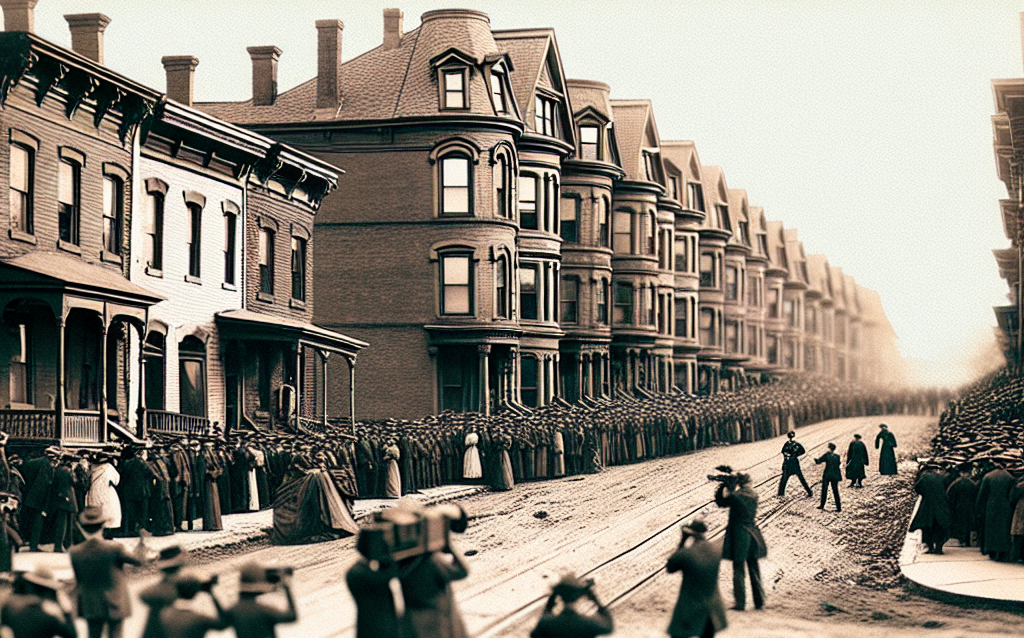
Hamilton’s Duke Street heritage row homes were on the brink of collapse—until a local lawyer stepped in with a vision. What started as a restoration project for crumbling 19th-century structures now carries lessons for homebuyers, real estate investors, and anyone navigating Canada’s complex housing market. These homes tell a much bigger story about opportunity, financing options, and long-term value.
The Rebirth of Historic Properties and Why It Matters
The revival of these Duke Street row homes is more than a feel-good story. It reflects a growing interest in heritage properties and urban cores, especially as Canadian homebuyers rethink their priorities amid interest rate hikes and inflation pressures. When historic homes are revitalized, they often boost neighbourhood property values, improve rental potential, and open the door to creative [construction financing solutions](https://unrate.ca/mortgages/construction-mortgage/).
Unlike a standard home purchase, restoring a home—especially a protected heritage site—calls for a unique approach to financing. Traditional banks often shy away from projects with perceived risk. That’s where alternative lending solutions like a [private mortgage](https://unrate.ca/mortgages/private-lenders/) or short-term [HELOC](https://unrate.ca/mortgages/heloc/) can fill the gap.
As a mortgage broker, I’ve seen firsthand the impact these homes can have on community revitalization. It’s not just aesthetics—it’s about creating options in tight housing markets. According to the Canadian Mortgage and Housing Corporation (CMHC), Hamilton’s housing supply continues to lag behind population growth, driving up prices and reducing availability.
What This Means for Real Estate Investors
For those in the 30–55 age range considering real estate as a wealth-building tool, the Duke Street situation should spark interest. It’s a blueprint for what’s possible when community-minded investment meets smart financing. While diving into restoration requires planning and patience, the long-term gains can be substantial. Investors willing to take on such projects often benefit from future [refinance](https://unrate.ca/mortgages/refinance/) opportunities once property value increases.
Not all restored homes will skyrocket in value overnight. But many are located in older neighbourhoods now seeing renewed demand. This is especially timely as younger buyers seek walkable communities with character—something these properties uniquely offer.
In a rising interest rate environment, real estate investment must be strategic. Timing matters, and so does flexibility. If you’re holding onto equity in your existing home, a [second mortgage](https://unrate.ca/mortgages/second-home-mortgage/) could help fund an income-generating property or flip without affecting your main mortgage terms.
Homeowner Takeaways in an Evolving Market
The story of Hamilton’s row homes isn’t just for investors—it’s a wake-up call for homeowners, too. As the Bank of Canada holds interest rates steady at 5% in early 2024, many households are reassessing their financial health. It’s a good time to explore [repayment options](https://unrate.ca/mortgages/mortgage-repayment-options/) and ensure you’re not overextending beyond a mortgage’s breaking point.
Older homes may come with bigger repairs, but they also offer lower upfront prices and potential savings in other areas. With careful planning, you can reduce total borrowing costs through a [fixed rate](https://unrate.ca/mortgages/fixed-rate/) mortgage or manage cash flow better with a [variable rate](https://unrate.ca/mortgages/variable-rate/) product—depending on your tolerance for change.
There’s also growing interest in tailored solutions like [reverse mortgages](https://unrate.ca/mortgages/reverse-mortgages/), especially for homeowners over 55 looking to open up equity without having to sell or move. In a climate where downsizing may come with its own costs and limited inventory, these financial tools are worth a closer look.
The Bigger Picture: Community and Stability
Projects like the Duke Street restoration aren’t happening in isolation. Cities across Canada—from Halifax to Victoria—are seeing grassroots efforts to preserve housing that tells a story. These homes don’t just shelter people; they anchor neighbourhoods. They reflect a time when housing was built to last, and they shine a light on how we might solve today’s affordability crisis.
Buying or renovating in heritage districts can pose hurdles—but the right financing partners can turn those hurdles into stepping stones. If you’re considering venturing into renovation or fixer-upper territory, starting with the right [mortgage calculator](https://unrate.ca/mortgage-calculator/) helps set realistic expectations on costs, timelines, and return on investment.
Even if you’re not taking on a full restoration, keep an eye on what’s happening in your area. Local real estate trends shift quickly. Be ready to pivot when opportunities arise—whether that’s locking in the [best mortgage rates](https://unrate.ca/mortgages/), renewing your term, or accessing equity for smart upgrades.
Conclusion
Hamilton’s Duke Street heritage homes found their second chance through vision, community spirit, and smart financial planning. For Canadian homeowners navigating today’s changing market, their story is a reminder: opportunity often lives in unexpected places. Whether you’re eyeing a rental property, a retirement plan through your home, or a renovation to unlock value—you’re not alone.
Unrate is here to help you cut through complexity, compare your loan options, and find the right fit for your long-term goals. Let’s talk about what’s possible.
Leave a Reply