

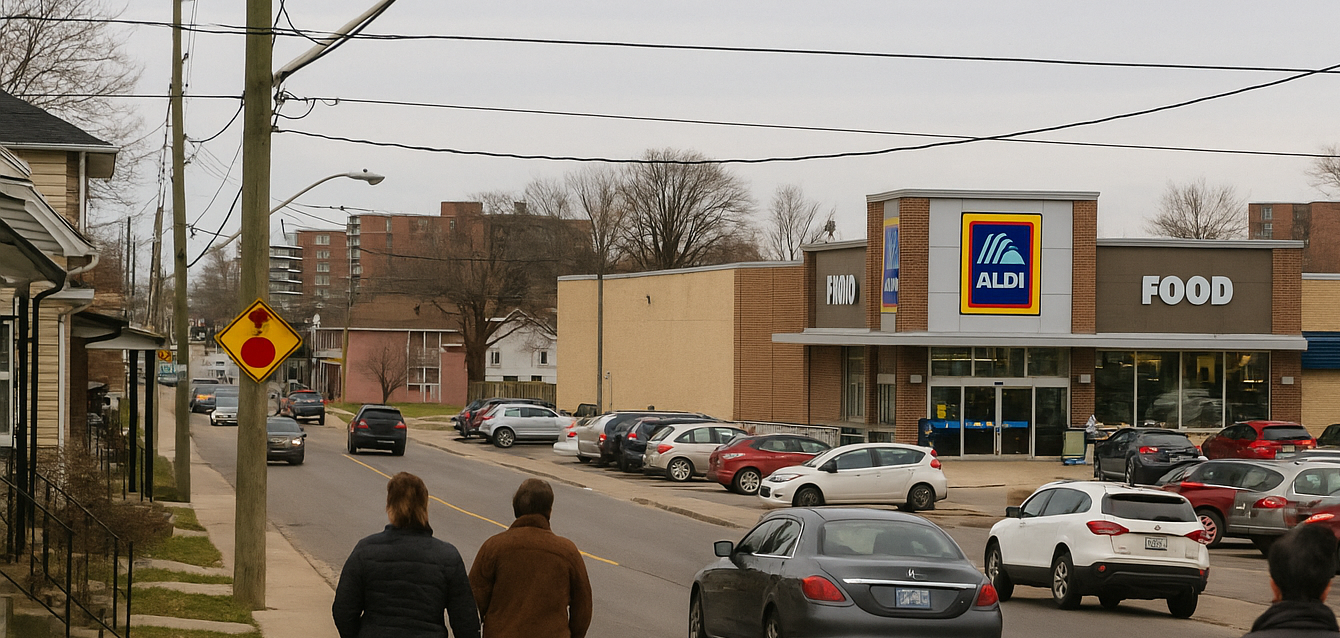
Hamilton homeowners are talking about grocery shopping again—and not just because prices still sting. The latest local news about expanding choices beyond the big supermarkets is a small story with a bigger meaning: it hints at how neighbourhoods are changing, where demand is concentrating, and what that could mean for home values and mortgage decisions in 2026.
If you’re tracking your household budget or thinking about a move, it’s worth watching these “everyday” shifts. They’re often early clues about a community’s momentum, long before the real estate headlines catch up. For homeowners comparing monthly costs, starting with Best Mortgage Rates is still the fastest way to see what’s possible, but the local economy matters too.
Neighbourhood convenience is quietly propping up home demand
When a city’s grocery scene gets more diverse—specialty shops, international markets, small-format stores—it usually follows population growth and changing demographics. In plain terms: more people, more variety, more competition for storefronts. And that tends to cluster in neighbourhoods that are already gaining attention from buyers and renters.
In mortgage conversations, I see this play out as “walkability math.” Families in their 30s and 40s often tell me they’ll pay a bit more to be closer to errands. Not everyone wants a condo lifestyle, but most buyers like reducing car trips. When daily needs are close by, a home can feel more valuable even if the square footage doesn’t change.
This isn’t just a vibe—it shows up in sales patterns over time. The Canadian Real Estate Association publishes monthly market data, including price trends and sales activity that can be compared across regions. If you like keeping an eye on broader momentum, CREA’s housing market statistics are a solid reference point.
Hamilton is also a city where micro-markets matter. A few blocks can change the feel of a commute, school options, and yes, where you buy groceries. When smaller retailers and specialty stores thrive, it often signals stronger local spending—something lenders and appraisers indirectly pick up through neighbourhood stability and resale activity.
Food inflation, interest rates, and the “real” monthly payment
Most homeowners don’t budget in neat categories. Groceries, gas, childcare, and mortgage payments all hit the same chequing account. So when the news reminds us that grocery alternatives exist, it connects directly to affordability. Even small savings each week can help a household handle a renewal or a rate change.
Canada’s inflation picture has improved since the peak, but food costs have remained a stubborn line item for many families. The Bank of Canada focuses on overall inflation and uses its policy rate to influence borrowing costs. If you want the source straight from the decision-maker, the Bank of Canada’s key interest rate page is the best bookmark.
Here’s why this matters for Hamilton homeowners: when food and other essentials stay expensive, buyers become more payment-sensitive. That can cool bidding wars and stretch time on market, even if the city remains popular. On the lending side, it also affects qualification because lenders stress-test borrowers at a higher rate than the contract rate.
If you’re choosing between rate types, remember that the right answer is personal. A Fixed Rate can feel safer when budgets are tight and you need consistency. Variable options can be attractive in easing cycles, but they demand more breathing room. The grocery bill is part of that breathing room, whether we like it or not.
When I’m helping clients, I ask a simple question: “If everything else stayed the same, could you handle a few hundred dollars more per month?” It’s not just about rates—it’s about life. Grocery costs are one of the quickest ways that “few hundred dollars” shows up.
What grocery options can tell us about housing supply and renovation trends
More retail choice often arrives alongside densification. Think secondary suites, low-rise condo projects, and infill homes. As more people live in a smaller footprint, demand increases for convenient shopping and specialty products. That’s one reason grocery variety can be a subtle signal that a neighbourhood is absorbing new housing.
Supply is still the big Canadian housing story. CMHC regularly reports on starts, completions, and vacancy—useful indicators of how quickly new homes are coming online. When supply can’t keep pace with demand, prices get sticky on the way down and quick on the way up. That dynamic is one reason so many owners feel their home value is “supported,” even in slower markets.
In Hamilton specifically, I’m also seeing more homeowners renovate rather than move. Higher rates made trading up expensive, and inventory in many pockets still feels tight. People add bedrooms, finish basements, or create rental units. That can improve cash flow and long-term value, but it changes your mortgage needs.
If you’re renovating, consolidating debt, or pulling equity for improvements, a Refinance can sometimes be cleaner than juggling multiple credit products. It depends on your rate, your remaining term, and whether penalties apply. The goal is to fund the project without turning your monthly payment into a stress point.
And here’s the connection back to grocery options: neighbourhoods with more renters and more density tend to support a wider retail mix. That retail mix, in turn, makes the area more attractive to the next buyer. It’s a feedback loop, and Hamilton is a city where these loops can form quickly.
A practical takeaway for Hamilton homeowners planning a move
If you’re considering selling, don’t underestimate lifestyle features when you pick your timing and pricing strategy. Buyers notice whether the area has competition among stores, markets, and specialty shops. It signals that the neighbourhood can serve different household needs, including newcomers and multi-generational families.
If you’re buying, treat convenience as a real cost factor. A slightly higher purchase price may be offset by fewer car expenses, less time commuting for errands, and better resale demand. That’s not a guarantee, but it’s a pattern I’ve seen across Southern Ontario.
Before you make a decision, run the numbers in a way that reflects your actual life. A payment estimate is helpful, but only if it matches your budget reality. Using a Mortgage Calculator can give you a quick snapshot of payment ranges, and then you can layer in the costs that don’t show up on a listing—utilities, insurance, and yes, groceries.
The big lesson from this Hamilton grocery story is that local business changes often arrive before big real estate shifts. When you see more choice and more niche offerings, it can mean the area is growing up, filling in, and attracting new spending power. That tends to support housing demand over time, even when rates wobble.
If you’re renewing soon, buying this year, or weighing a renovation, the smartest move is to line up mortgage options with your household budget—not just today’s rate. Unrate.ca can help you compare scenarios and choose a mortgage strategy that fits your goals and your risk comfort.
Leave a Reply