

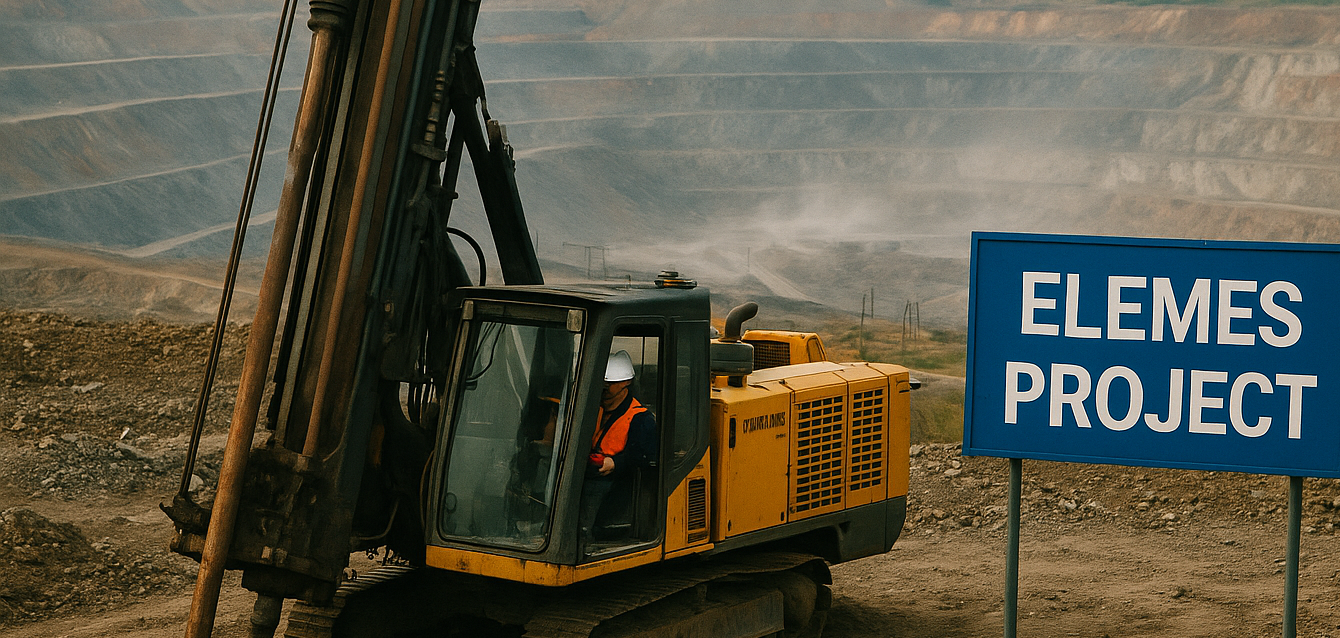
A mining headline out of Kazakhstan might feel a world away from your renewal in Calgary or your purchase in Ottawa, but it still matters. Arras Minerals just reported strong copper-equivalent drill results at its Elemes project, and that kind of news can ripple through commodities, inflation expectations, and—eventually—borrowing costs. If you’re watching home prices or thinking about a refinance, it’s worth understanding how “hard assets” stories sometimes collide with the housing economy.
In this post, I’ll connect the dots from copper exploration to Canadian mortgage decisions, including what it could mean for rates, construction activity, and homeowner sentiment. If you’re actively shopping, it also helps to keep an eye on today’s Best Mortgage Rates so you can compare options with context, not just headlines.
Why a copper discovery can show up in your rate conversation
Copper is one of those materials that quietly sits inside almost everything: wiring, appliances, cars, data centres, and renewable energy gear. When a company reports a meaningful drill intersection, investors often treat it as one more sign that future supply could tighten—or that demand is strong enough to justify new projects. Either way, copper prices can move, and commodity prices are one input into inflation.
Inflation is the big driver for central banks, including the Bank of Canada. The BoC doesn’t set mortgage rates directly, but its policy rate influences lender funding costs and bond yields. When inflation is sticky, rates tend to stay higher for longer. When inflation cools, lenders usually get more flexible.
Canada’s inflation picture has improved compared to the peaks we saw in 2022, but it hasn’t been a straight line down. The Bank of Canada publishes regular inflation updates and rate decisions, and homeowners can track them on the BoC key interest rate page. The point is not that a single drill result changes your mortgage rate next week. It’s that commodity cycles can reinforce broader inflation trends that central banks watch closely.
Here’s the practical takeaway: if commodities start pushing input costs up again—think construction materials, transportation, and energy—rate cuts can be slower. For homeowners planning a renewal, the “wait and see” strategy can be expensive if it turns into “wait and pay more.”
Housing demand is local, but rate pressure is national
Even though real estate is neighbourhood-by-neighbourhood, mortgage pricing in Canada is driven by a national rate environment. That’s why homeowners in Halifax and homeowners in Vancouver can both feel the same pinch when borrowing costs rise.
For a pulse on market activity, I often look at the Canadian Real Estate Association’s national stats. CREA tracks sales, new listings, and benchmark pricing across the country, and their monthly dashboard gives a clear view of momentum: CREA housing market statistics. When rates are high, sales volumes often soften first, then price growth slows later—though the timing varies by region.
What does a mining story have to do with this? If commodity strength supports a “hotter” inflation narrative, lenders may price mortgages with a bit more caution. That can keep qualifying harder for buyers and reduce bidding pressure, which matters if you’re selling soon. It also matters if you’re buying and hoping for rapid price gains to bail out a tight budget. In my experience, the safest plan is one that works even if prices are flat for a couple of years.
If you’re trying to model payments under different scenarios, don’t guess. Use a tool that forces the numbers onto the page. Unrate’s Mortgage Calculator is a simple way to compare payment changes between terms, rates, and amortizations.
Construction, supply, and the cost of building homes
Canada’s housing problem is partly a supply problem. Building more homes sounds straightforward until you look at labour constraints, municipal approvals, financing costs, and material pricing. Copper sits right in the middle of that last piece.
When metals and other inputs get pricier, construction budgets stretch. Developers may delay projects, scale them down, or look for higher sale prices to make the math work. That can slow the pace of completions, which keeps pressure on the resale market and on rents.
CMHC is one of the best sources for this topic. Their housing supply and market reports track completions, starts, and affordability pressures. If you like data, start with CMHC’s research and market insights here: CMHC housing market data and research. It’s not light reading, but it’s useful.
For homeowners planning a major renovation, a laneway suite, or a tear-down rebuild, the financing angle matters too. Higher build costs can increase the amount you need to borrow and the time you need funds available. If you’re considering a project where funds are advanced in stages, a Construction Mortgage can be a better fit than trying to stretch a standard mortgage.
And for homeowners who want flexibility for renovations without refinancing the whole mortgage, a revolving line of credit tied to your home can be helpful—if used carefully. The key is to treat it like a tool, not free money. If you’re exploring that route, read up on a HELOC and pay attention to how variable interest can change your monthly costs.
Fixed vs. variable: how to think when the outlook is messy
Mining news is a reminder that the global economy can surprise you. Wars, shipping disruptions, sudden demand from new technology, and commodity booms can all shift inflation. When inflation expectations change, bond yields and mortgage pricing can react quickly.
That’s why the fixed-versus-variable decision is less about “winning” and more about risk tolerance and cash-flow stability. Fixed rates can protect your payment if rates stay higher than expected. Variable rates can reward you if cuts arrive faster, but you need room in the budget for bumps along the way.
If you’re leaning toward payment certainty, it’s worth reading how a Fixed Rate mortgage typically behaves through different rate cycles. If you’re considering variable, focus on whether you can handle the payment changes without dipping into savings. Rate forecasts are opinions; your budget is real.
One more point homeowners often miss: the rate is only part of the cost. Penalties, prepayment terms, and portability can matter just as much if you move, refinance, or break early. In a choppy market, flexibility has value, even when the posted rate looks slightly higher.
If you’re already in a mortgage and feeling squeezed, there may be options. Sometimes it’s a straight refinance; sometimes it’s restructuring debt to reduce the monthly load. If you’re weighing that, explore what a Refinance could look like before renewal, and run the numbers carefully, including fees and penalties.
Arras Minerals’ drill results won’t set your mortgage rate by themselves. But they’re a good reminder that Canada doesn’t live in a bubble. Commodities can influence inflation, inflation influences central bank decisions, and those decisions shape the borrowing environment that affects home prices and sales.
If you’re buying, renewing, or planning a renovation in 2026, the best move is to build a mortgage plan that can handle uncertainty. Compare products, stress-test your payment, and choose terms that match your life—not just the latest prediction. If you want a second set of eyes on your options, reach out to Unrate.ca for guidance on choosing the right mortgage structure and rate for your next step.
Leave a Reply