

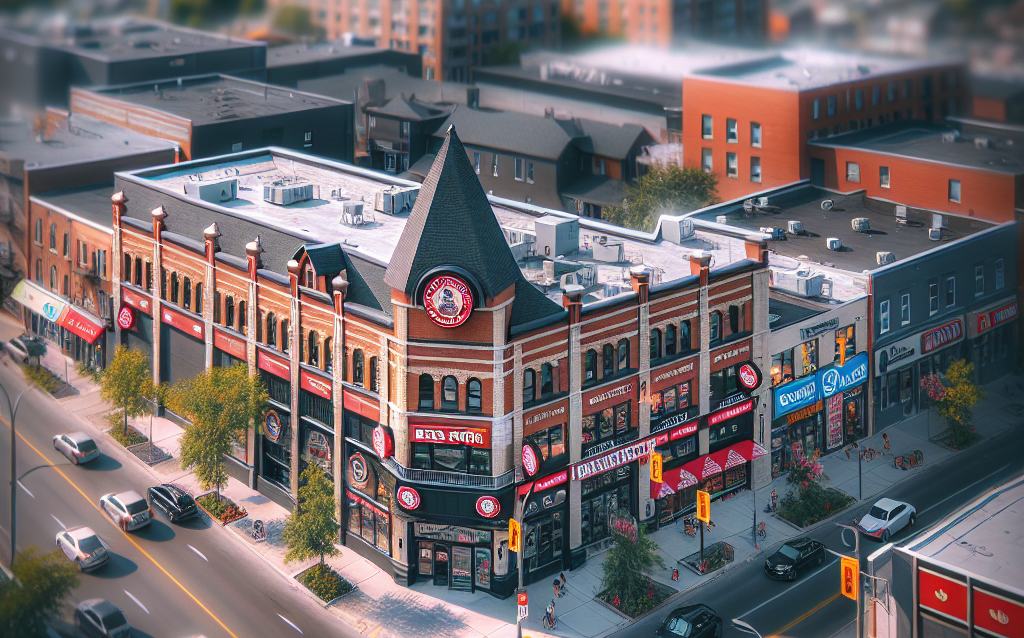
Ontario’s Beer Stores are quietly vanishing — and with them, a piece of the province’s commercial real estate legacy. But as restaurants, pet stores, and fitness centres move into these aging retail spaces, another story is brewing. What happens when over 1.6 billion empties—yes, empty beer cans and bottles—no longer have a home? It’s more than just a recycling problem; it’s a sign of shifting land use that affects investors, homeowners, and anyone trying to make sense of today’s unpredictable real estate economy.
From Beer Crates to Building Up: A Commercial Real Estate Pivot
The decline of the Beer Store isn’t just about changing consumer tastes or increased competition from grocery retailers. It’s part of a broader trend: the repurposing of aging commercial real estate across urban and suburban Ontario. While beer fridges go dark, landlords and developers see opportunity in their square footage.
Many of these locations are attractive: they’re standalone buildings with parking lots, often located near residential neighbourhoods. In other words, they’re ripe for redevelopment into mixed-use housing, new businesses, or community hubs. This has sparked interest from both small-scale investors and major real estate groups looking to capitalize on underutilized land while demand for housing continues to climb.
The Canada Mortgage and Housing Corporation (CMHC) has pointed to land availability as a critical factor in combating the housing shortage. As seen in recent CMHC reports, cities need substantial supply growth to improve affordability — and commercial conversions play a growing role.
What This Means for Homebuyers and the Market
At first glance, a closed Beer Store might not seem connected to your mortgage rate or home value. But when enough retail space becomes dormant, it creates new opportunities to reimagine how land is used — especially as Canada struggles to add enough homes to meet demand.
Many of these converted properties could become multi-residential buildings or community amenities that boost neighbourhood appeal and value, indirectly influencing nearby home prices. As local infrastructure improves and density increases, homeowners may find themselves better positioned in both their property value and quality of life.
For investors and those looking to become landlords, this trend is another sign that thinking creatively could pay off. Areas previously known for retail may soon offer new residential potential. Before purchasing a second property, consider reviewing options like a second mortgage to help finance your buying power in these evolving markets.
The Ripple Effect on Mortgage Rates and Lending Trends
One interesting angle here is the financial institutions’ response to shifting land and property use. As high-demand areas densify, we may see lenders adjust their risk profiles, especially for areas transitioning from commercial to residential. Not every former Beer Store will become a housing success story, but the pattern is creating new lending conversations.
At the same time, Canadians continue to navigate a challenging mortgage landscape. With the Bank of Canada’s policy rate currently at 5%, many homeowners are feeling the pinch. Whether you’re looking for a purchase, renewal, or to refinance, it’s more important than ever to find the best structure for your needs.
This includes shopping around for the best mortgage rates — something many Canadians now do with greater frequency since lenders aren’t posting deals publicly like they used to. Flexibility is also key. In a market defined by change, knowing your options — from fixed and variable rates to hybrid models — can make a meaningful difference to your bottom line.
Can Recycled Real Estate Support Housing Affordability?
Ontario has a serious affordability challenge. According to the Canadian Real Estate Association (CREA), national average home prices have dipped slightly year-over-year, but affordability remains elusive in most urban centres. Repurposing commercial real estate can help chip away at the issue by opening more options for development—and hopefully, ownership.
Still, as more Beer Stores shut their doors and new leases are signed, the challenge of the 1.6 billion empties remains. These returnables once had a streamlined system for collection and recycling through the LCBO and The Beer Store. Now? It’s a logistical nightmare no one wants to inherit. Whether this hiccup will slow redevelopment efforts remains to be seen.
For now, the transformation of these sites highlights a growing truth: today’s real estate market isn’t just about building more — it’s about rethinking where and how we build. And commercial spaces left behind by shifting habits might just be the low-hanging fruit the housing market needs.
Conclusion: Change Brings Opportunity, If You’re Ready
When local landmarks like your neighbourhood Beer Store start disappearing, it’s easy to be nostalgic. But from a mortgage and housing perspective, these changes hold promise. Redeveloped commercial lots can breathe new life into slow-moving markets, support housing creation, and re-balance the supply issue that’s plagued Ontario for years.
If you’re a homeowner or aspiring buyer, paying attention to zoning changes and land use in your area might reveal opportunities before they hit the listing pages. Whether you’re exploring investment options or need help navigating your next move, Unrate is here to help you make sense of it all. Start with our guide to the HELOC or see what today’s fixed rate mortgages could look like for your future plans.
Leave a Reply